• Serving 500 Pizzas and BBQ Plates at the Charlie Kirk Memorial: Behind the Scenes with 801 Food Trucks

    heroImage

    When we got the call to cater the Charlie Kirk Memorial event, we knew it was going to be something special. Serving 500 people is no small task, especially when you’re dealing with both pizza and BBQ – two completely different cooking methods, prep times, and equipment needs. But that’s exactly the kind of challenge that gets our team at 801 Food Trucks & Catering fired up.

    The Call That Changed Our Week

    The memorial organizers reached out to us, no extra fees, just a straightforward conversation about what they needed. They were planning a memorial drive that would end at the park and they wanted hearty, comforting food that could feed a crowd of mourners and supporters. Pizza and BBQ felt like the perfect combination – familiar, satisfying, and something that brings people together during difficult times. Italian was Charlie’s favorite!

    What struck us immediately was the timeline. We had less than a week to prepare for an order that size, which meant every single day leading up to the event was going to be crucial. Our operation manager immediately started coordinating with our kitchen staff and truck crews to make sure we had everything lined up.

    image_1

    Breaking Down the Numbers

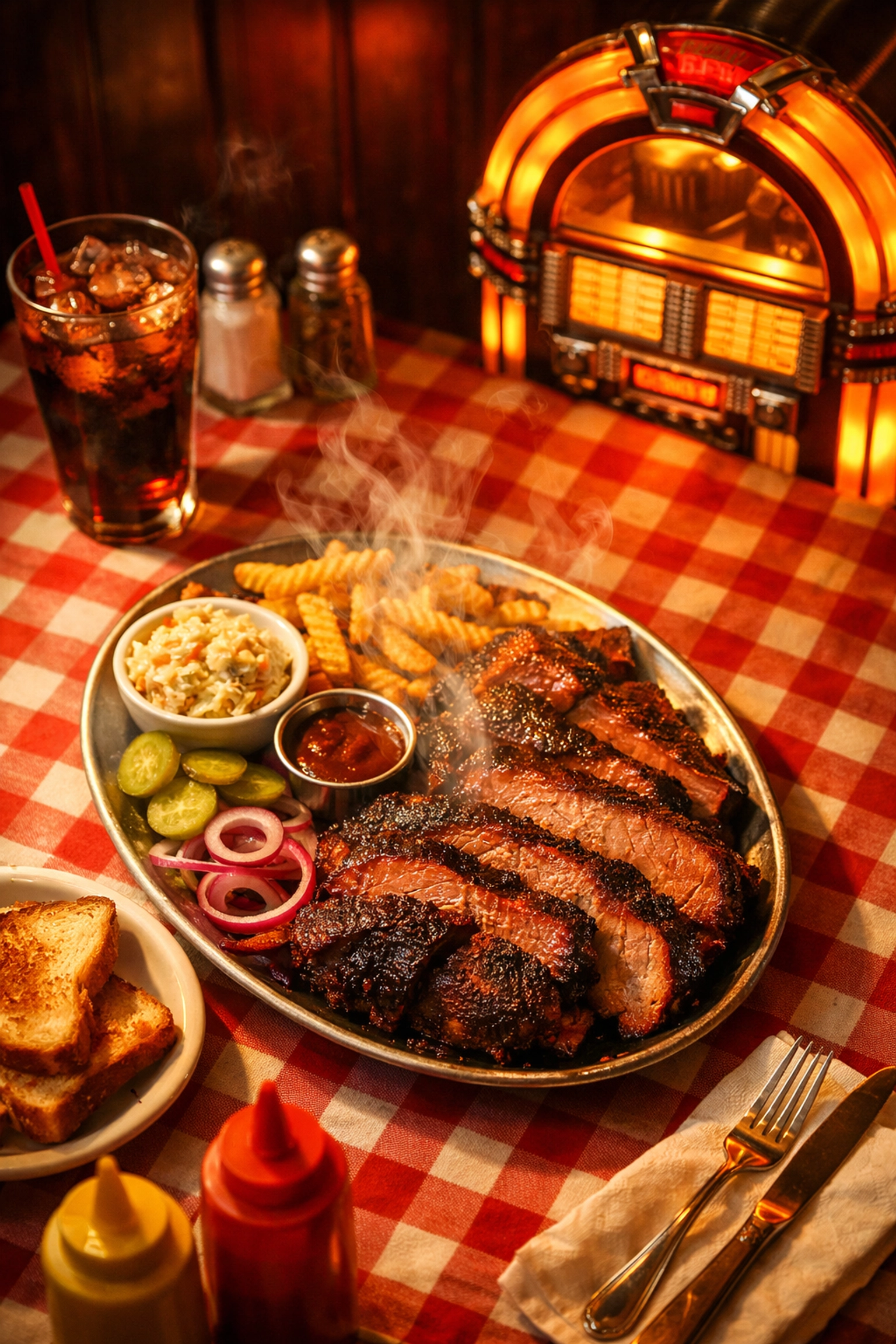
    500 plates might sound straightforward, but when you’re talking about both pizza and BBQ, the logistics get complex fast. We decided to go with a 50/50 split – 250 BBQ plates and 250 pizza orders. The BBQ crowd tends to eat heartier portions, especially at memorial events where people are gathering for hours, so we wanted to make sure we had enough of our signature pulled pork, brisket, and pizza to go around.

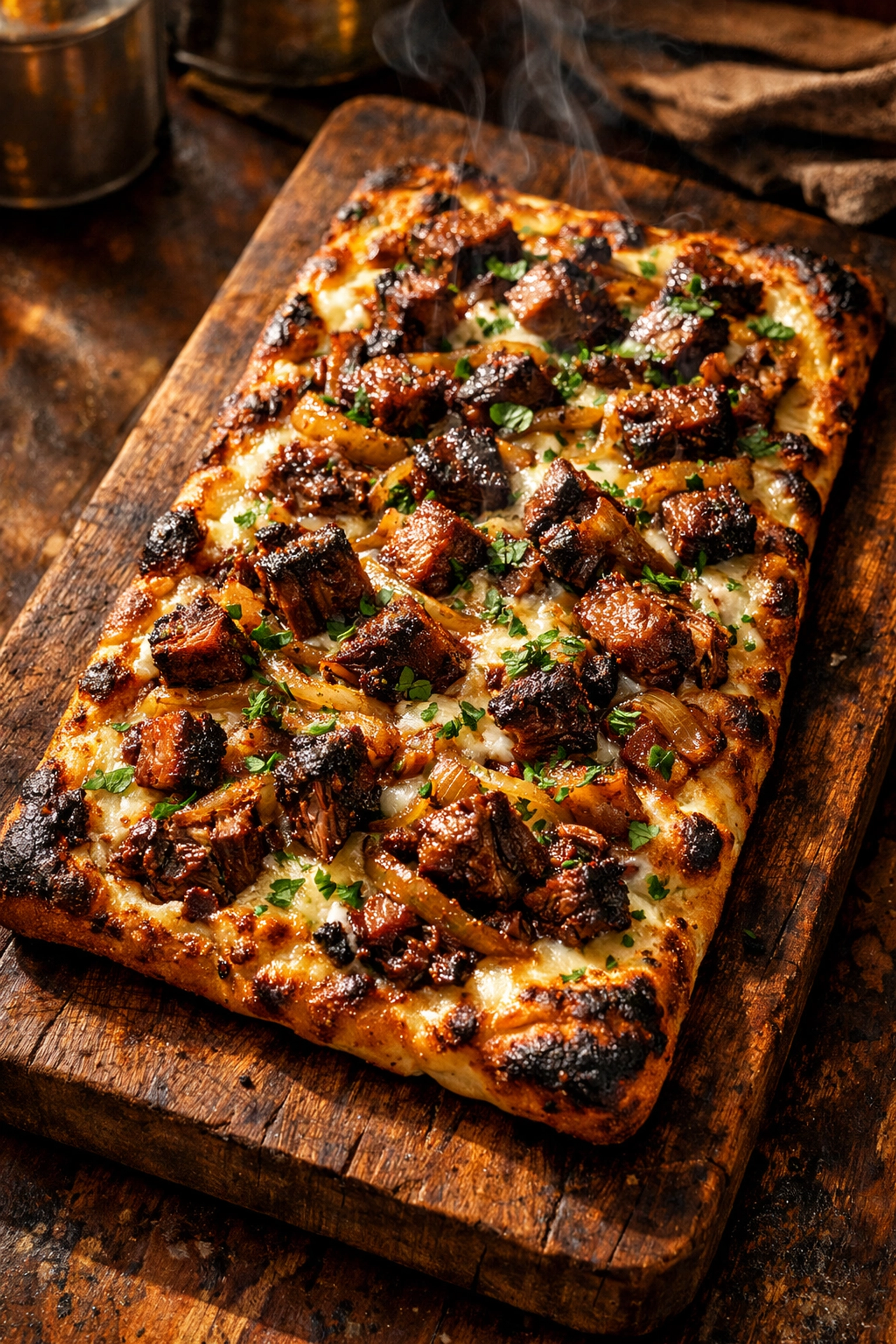
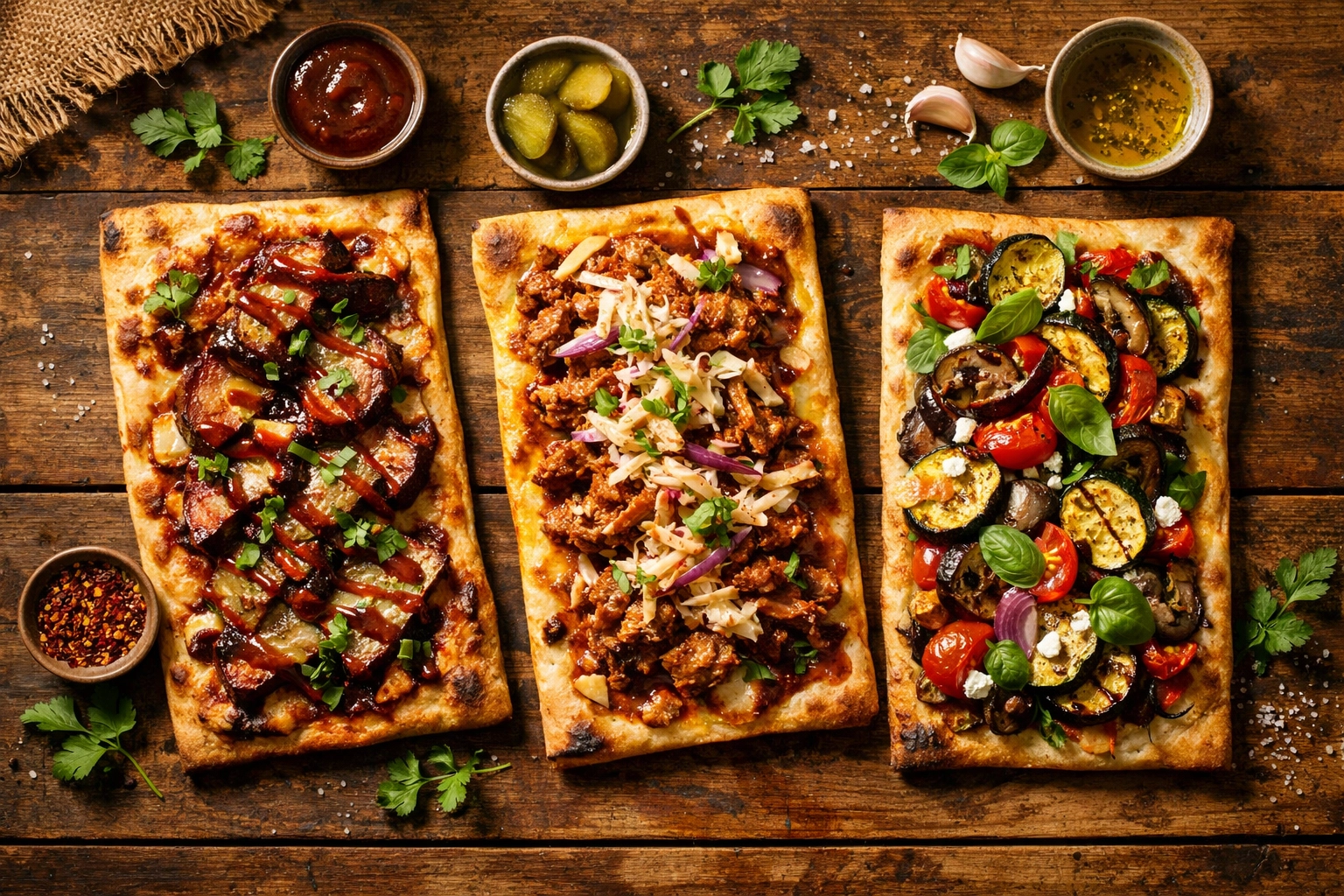
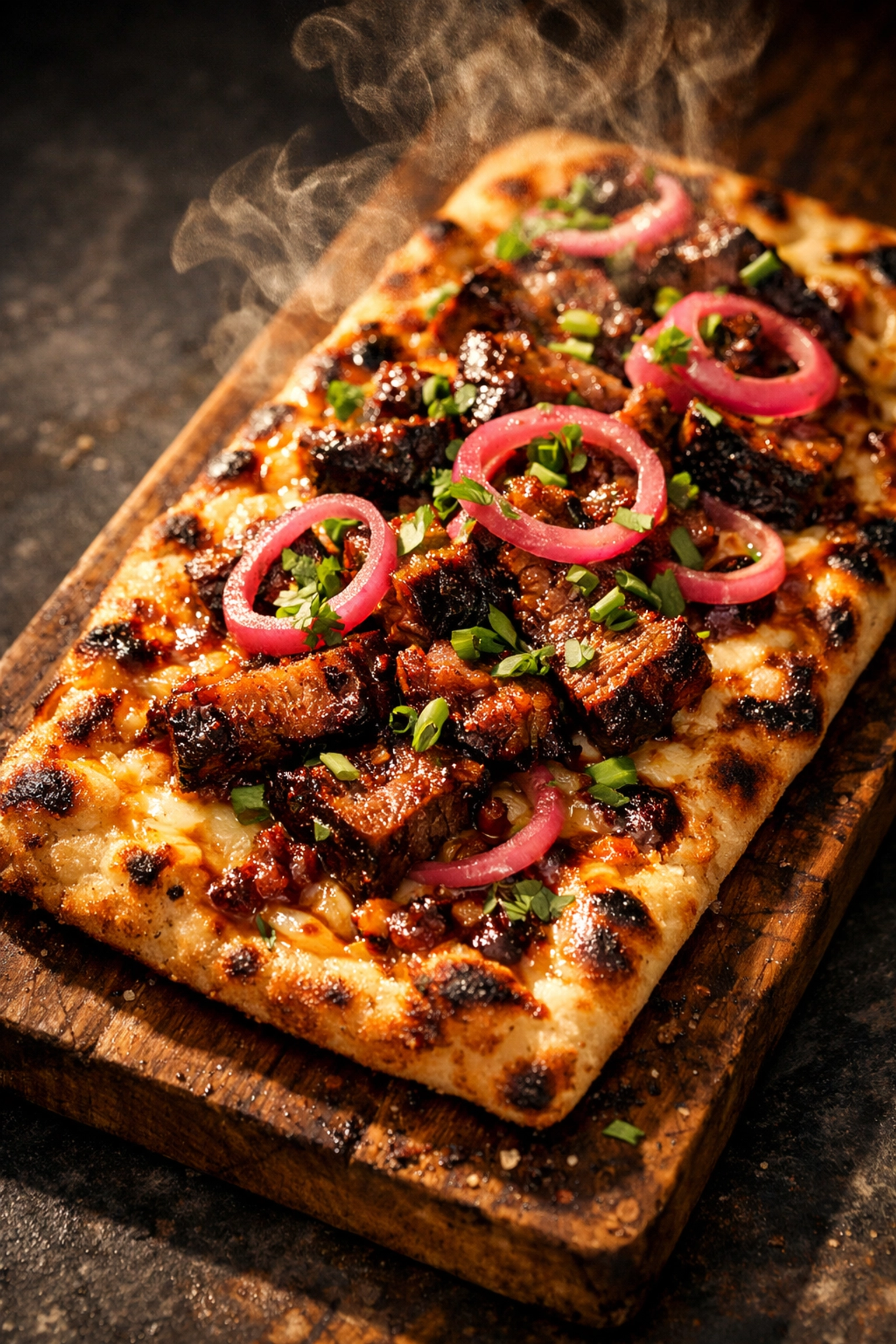
    For the pizza side, we knew we needed variety. Our wood-fired pizzas are always a hit, but for an event like this, we had to think about dietary restrictions too. We prepared our standard favorites – pepperoni, peto de manzo, and margherita – but also made sure to have plenty of our gluten-free crusts and vegan cheese options available. You never know who’s going to show up to a memorial event, and we wanted everyone to feel welcome.

    The Prep Marathon Begins

    Three days before the event, our kitchen looked like a military operation. We started with the BBQ prep because, honestly, good BBQ can’t be rushed. Our pit master fired up the smokers at 8 Pm, loading them with locally-sourced brisket from Utah ranchers we’ve been working with for years. There’s something about that slow, steady smoke that just can’t be replicated – and when you’re feeding people who are grieving, that extra care and attention matters.

    The pulled pork went on next, followed by our signature dry-rubbed ribs. By the time our regular crew showed up at 7 AM, the whole kitchen smelled incredible. One of our newer team members commented that it was the best-smelling Tuesday morning she’d ever experienced.

    image_2

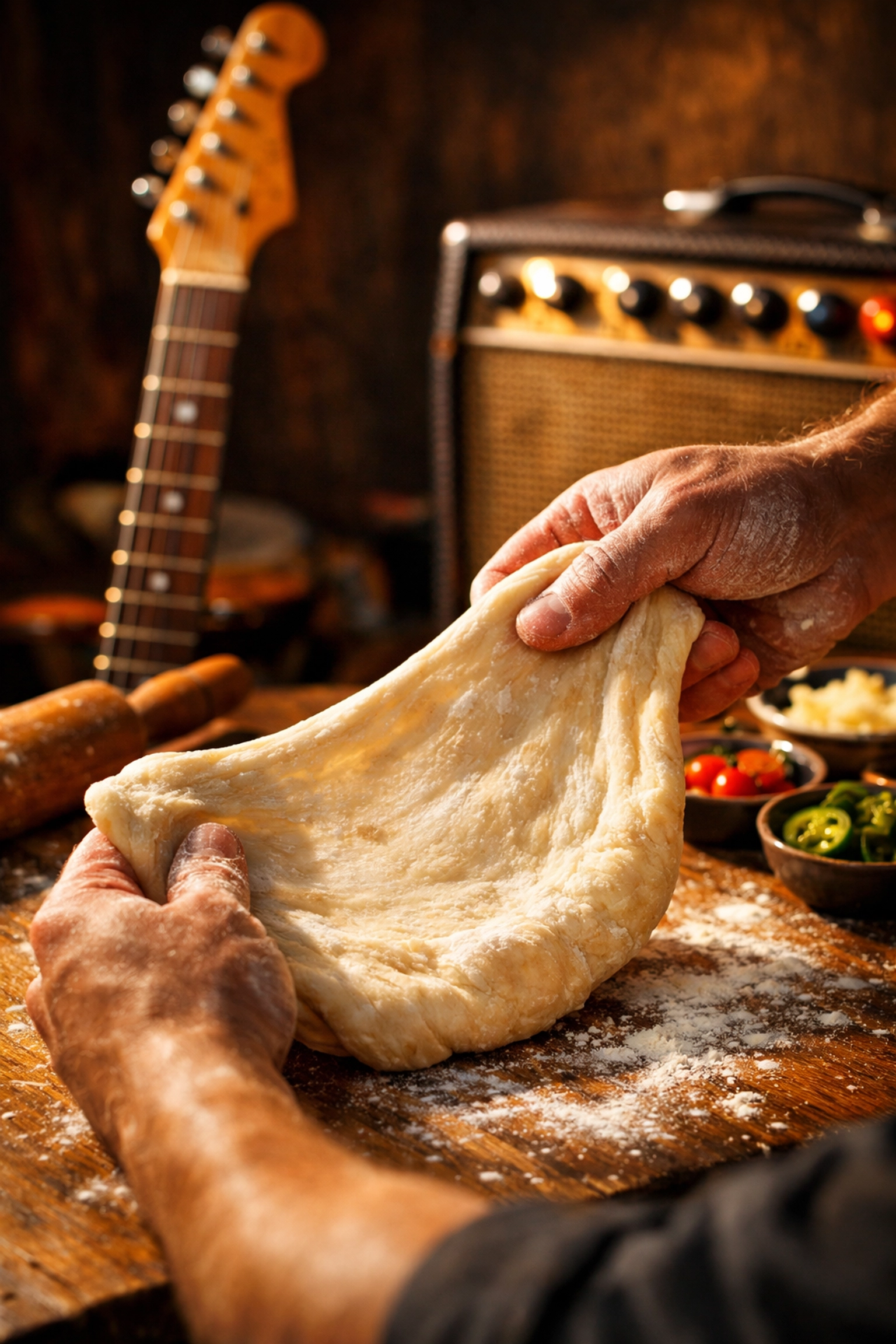
    Meanwhile, our pizza crew was working on dough prep. 200 pizzas means a lot of dough, and our pizza dough needs at least 24 hours to develop the right flavor and texture – it gives our crust this subtle tang that people always ask about but can never quite place.

    Equipment Coordination Like a Chess Game

    Here’s where being an experienced food truck catering company in Utah really pays off. We knew we’d need our big BBQ truck for the smoking and warming, but we also needed our wood-fired pizza truck on site. That means coordinating two full truck setups, plus our prep truck for supplies and backup equipment.

    The event location added its own challenges. We had to make sure we could get power for our equipment, confirm we had enough propane & wood for the pizza oven, and figure out the best positioning so both trucks could serve efficiently without creating bottlenecks. Our team scouted the location two days early, mapping out the flow of people and identifying potential issues.

    One thing we learned over the years of food truck catering in Salt Lake City is that you always bring backup everything. Extra propane, backup warming equipment, additional serving utensils – because when you’re serving 500 people, there’s no running back to the kitchen for supplies.

    The Day Of: Controlled Chaos

    Memorial day arrived with perfect fall weather – crisp but not cold, which is ideal for both outdoor eating and our equipment. We arrived at the park at 2 Pm, giving ourselves 2.5 hours to set up before the first guests were expected.

    The first challenge hit us immediately. The ground was softer than we’d anticipated from the site visit, and getting our trucks positioned took some creative maneuvering. Thank goodness for our experienced drivers who’ve dealt with everything from muddy festival grounds to narrow downtown alleys.

    image_3

    By 3 Pm, both trucks were positioned and our crews were running through final checks. The BBQ was perfectly tender – that 15-hour smoke had worked its magic. Our pizza dough had risen beautifully overnight, and our wood-fired oven was heating up to the perfect temperature.

    The Rush Begins

    The first wave of people started arriving around 4 Pm, about thirty minutes ahead of schedule. That’s when you really find out if your prep work was solid. Fortunately, we were ready. Our BBQ truck started serving immediately – pulled pork sandwiches with our house-made coleslaw, brisket plates with mac and cheese and baked beans, that people drive from across Utah to try.

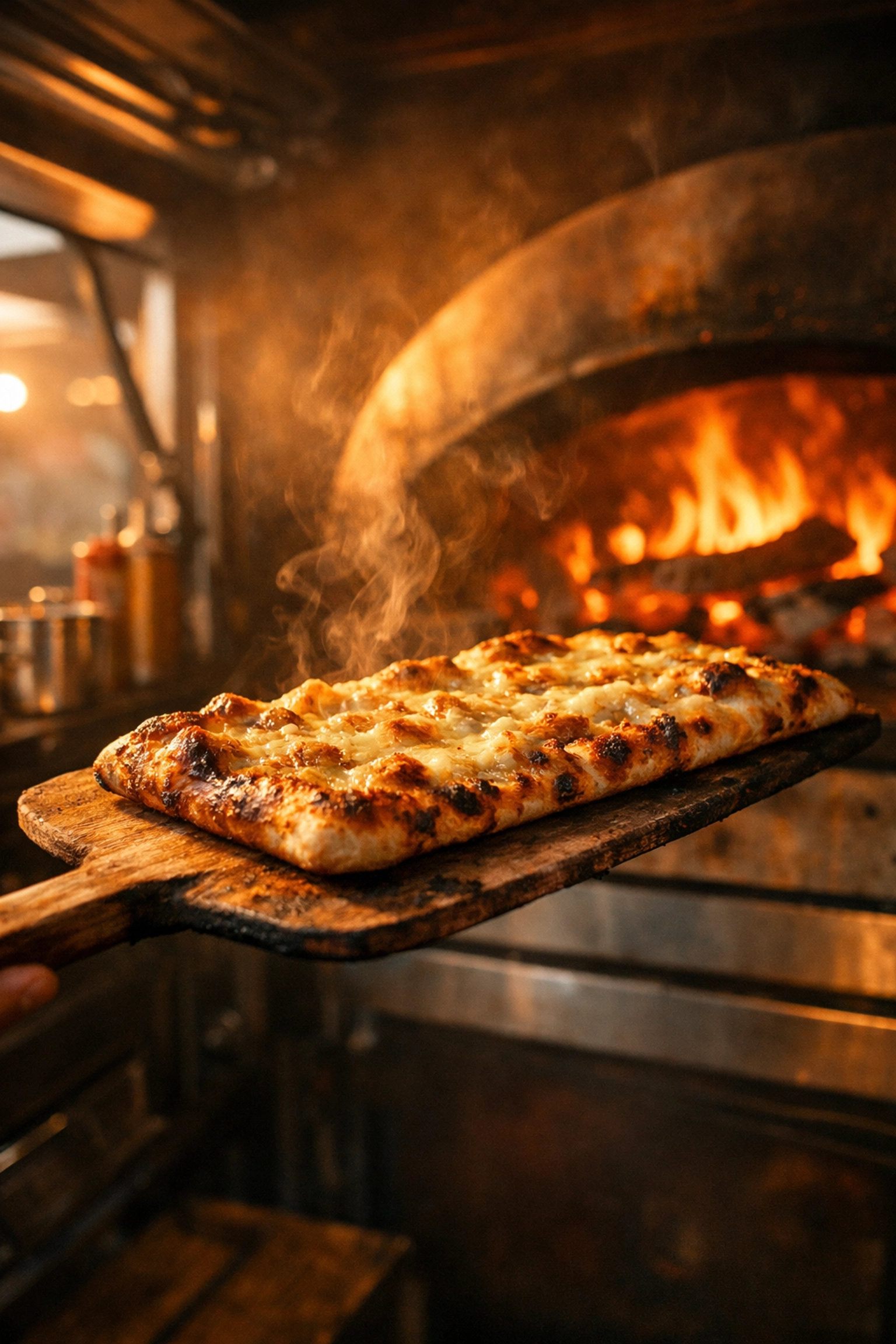
    The pizza truck took a few more minutes to get going since each pizza needs about 90 seconds in our wood-fired oven, but once we hit our rhythm, we were cranking out pizzas faster than people could order them. The smell of that wood smoke mixing with melted cheese and fresh toppings – it’s something that never gets old.

    What really made the day special was watching how the food brought people together. Memorial events can be somber, obviously, but there’s something about sharing a meal that helps people connect and support each other. We saw strangers sharing tables, families gathering around our trucks, and lots of conversations sparked by people complimenting the food.

    Going Above and Beyond

    About halfway through the event, we realized we were going through food faster than anticipated. Instead of panic, our team kicked into high gear. Our prep cook, who’d been monitoring everything from our supply truck, fired up additional equipment and started prepping more sides. Our pizza crew began stretching backup dough we’d brought just in case.

    This is exactly why booking food trucks direct makes such a difference. When you work with a local, family-owned operation like 801 Food Trucks & Catering, you get people who are personally invested in making your event successful. We weren’t just fulfilling a contract – we were helping a community honor someone’s memory.

    image_4

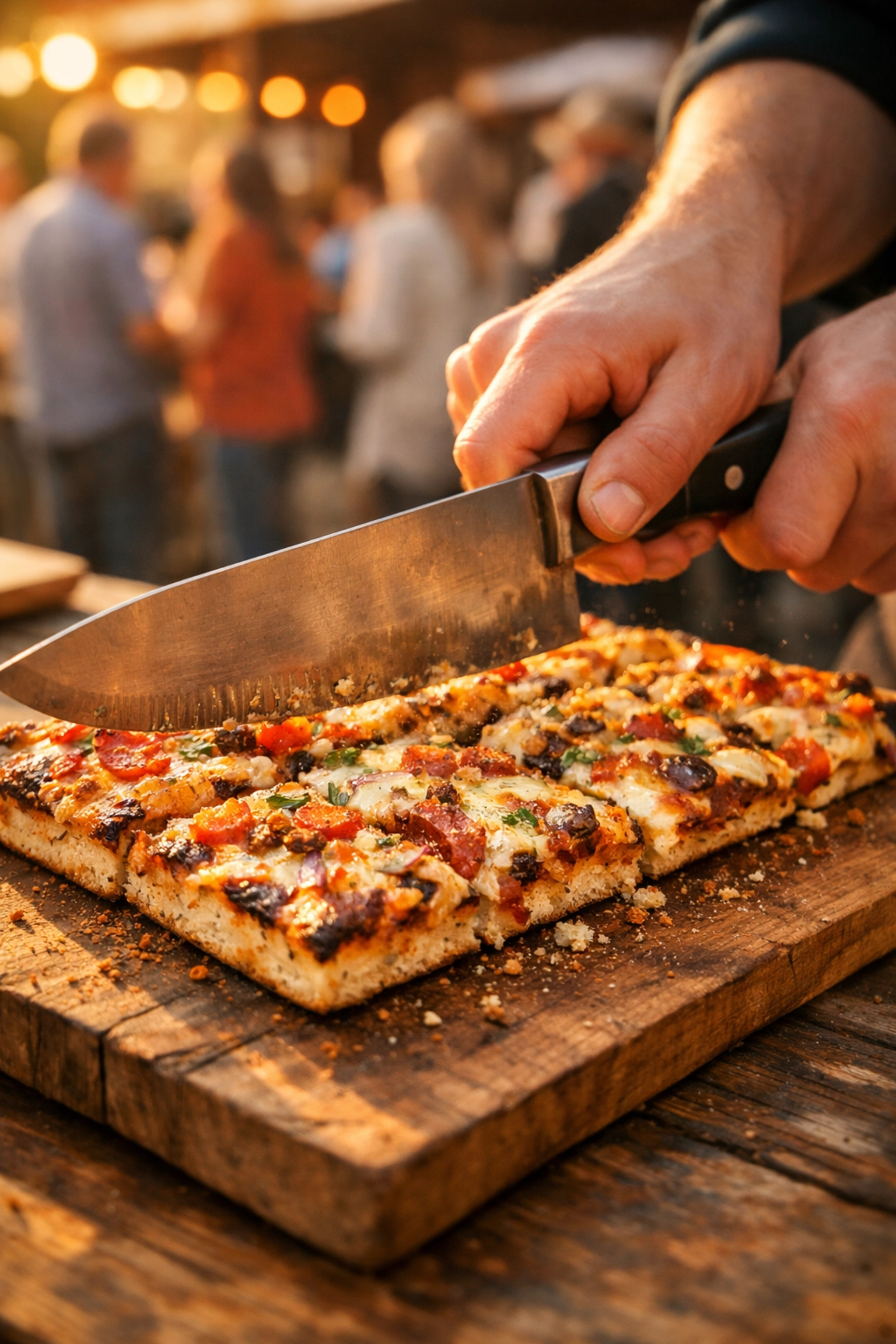
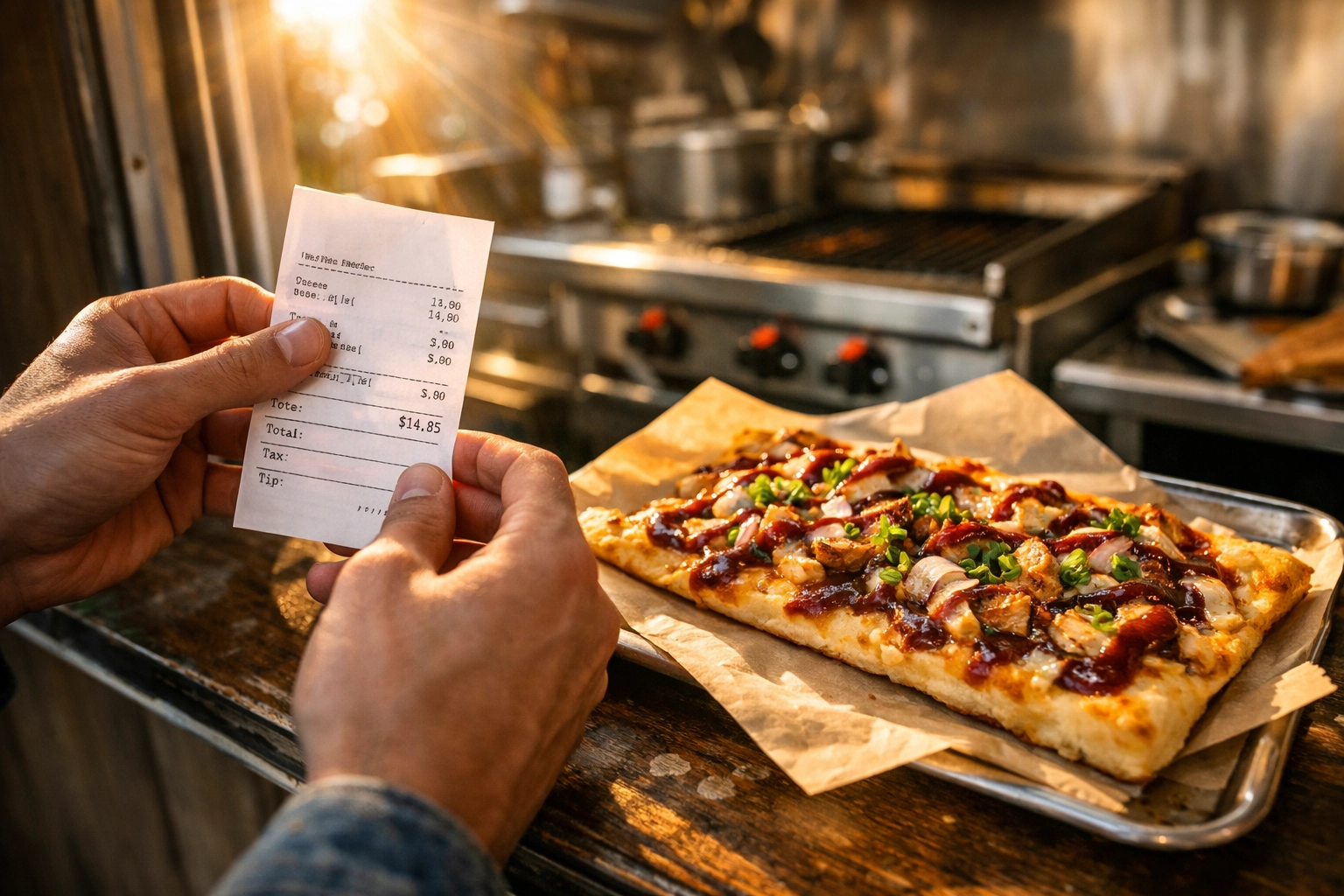
    By 6 PM, we’d served every single plate and pizza we’d prepared, plus the extras we’d made on the fly. Our crew was exhausted but proud. The event organizers came by to thank us personally, and several families made a point to tell us how much the food meant to them during such a difficult time.

    What Sets Our Utah Food Truck Catering Apart

    Looking back on the Charlie Kirk Memorial event, it really highlighted what makes 801 Food Trucks different from other food truck catering options in Utah. First, our commitment to quality ingredients – that locally-sourced BBQ meat and our from-scratch pizza dough made a noticeable difference in a high-volume situation.

    Second, our experience with large-scale events. We’ve catered everything from corporate gatherings to wedding receptions across Salt Lake City, so we know how to manage the logistics of feeding hundreds of people efficiently.

    But most importantly, it’s our team. Every person working that day understood they weren’t just serving food – they were providing comfort to people who needed it. That’s the kind of service you get when you book directly with a local food truck company that cares about the community.

    Ready for Your Next Event

    Whether you’re planning a memorial service, corporate event, wedding, or just a backyard party, 801 Food Trucks & Catering brings the same level of dedication to every job. Our pizza and BBQ menus can scale up or down depending on your needs, and we always come prepared with backup plans and extra supplies.

    The best part? When you book directly with us, you skip all the third-party fees and work directly with the people who’ll be serving your guests. That means better communication, more flexibility, and often significant cost savings compared to booking through a platform.

    Ready to see what Utah’s premier food truck catering can do for your event? Contact us directly and let’s start planning something amazing.

  • Winter Food Trucking in Utah: How to Prep Your Rig Before the Snow Flies

    heroImage

    Utah’s winter season can be brutal on food trucks in Utah. From the Wasatch Mountains dumping snow on Salt Lake City to those bone-chilling temperatures that can freeze your water lines faster than you can say “gourmet grilled cheese,” winter prep isn’t just recommended: it’s essential for survival.

    As someone who’s seen plenty of food truck operators learn the hard way, I’m here to walk you through everything you need to know about getting your rig winter-ready. Whether you’re running 801 Food Trucks events or just trying to keep serving those die-hard customers who brave the cold, proper preparation makes all the difference.

    Why Winter Prep Matters for Utah Food Trucks

    Utah winters aren’t messing around. We’re talking about temperatures that can drop well below freezing, snowstorms that dump feet of powder overnight, and conditions that can turn your mobile kitchen into an expensive popsicle if you’re not careful.

    The thing is, winter can actually be a goldmine for food ttucks in salt lake city operations if you’re prepared. Holiday parties, winter festivals, ski resort events: there’s money to be made. But only if your truck can handle what Mother Nature throws at it.

    image_1

    Tires: Your First Line of Defense

    Let’s start with the most obvious but often overlooked component: your tires. Those rubber circles are literally what keep you moving, and in Utah’s winter conditions, they’re the difference between making it to your event and sliding into a snowbank.

    Get winter tires or all-seasons with good tread. Don’t try to tough it out with worn summer tires. The investment in proper tires pays for itself the first time you avoid an accident or make it up that icy hill to a lucrative catering gig.

    Check your tire pressure regularly: cold weather causes air to contract, which means lower pressure and reduced traction. Keep a reliable tire gauge in your truck and check pressure at least weekly during winter months.

    Carry tire chains and know how to use them. Utah law requires certain vehicles to carry chains during winter months, and even if you’re not legally required, having them can save your bacon when conditions get nasty. Practice putting them on in your driveway before you’re stuck on the side of I-80 in a blizzard.

    The Essential Tune-Up Checklist

    Your food truck Utah needs a thorough physical before winter hits. Here’s what needs attention:

    Battery and electrical system: Cold weather is murder on batteries. Have yours tested and replace it if there’s any doubt. Nothing kills your day like a dead battery when you’re supposed to be serving hot cocoa at a winter market.

    Fluids check: Oil, coolant, brake fluid, power steering fluid: check them all. Switch to winter-grade oil if your mechanic recommends it. Make sure your coolant is rated for the lowest temperatures you’ll encounter.

    Belts and hoses: These rubber components become brittle in cold weather. Replace anything that shows signs of cracking or wear before it fails when you need your truck most.

    Brakes: Winter driving is all about stopping safely. Have your brakes inspected and serviced if needed. Fresh brake pads and properly functioning anti-lock brakes can prevent costly accidents and keep your insurance rates reasonable.

    image_2

    Protecting Your Plumbing and Water Systems

    This is where a lot of food truck operators get burned (or should I say frozen?). Your water systems are incredibly vulnerable to freezing, and burst pipes can shut you down for days.

    Insulate everything. Wrap your water lines with foam insulation, and consider heat tape for exposed pipes. Your fresh water tank, grey water tank, and all connecting lines need protection.

    Invest in a good heater system. A small, safe heater can keep your truck’s interior warm enough to prevent freezing overnight. Some operators leave their trucks plugged into shore power with heaters running during the coldest nights.

    Know how to winterize completely. If you’re parking your truck for extended periods, learn how to completely drain and winterize all water systems. RV antifreeze in your lines beats replacing burst pipes.

    Heated hoses are worth it. For washing dishes and food prep, heated water hoses ensure you’ve got running water even when it’s frigid outside.

    Equipment and Cooking Considerations

    Winter affects more than just your truck’s mobility: it impacts how your equipment performs too.

    Propane performance: Propane doesn’t vaporize well in extreme cold, which means reduced performance from your cooking equipment. Keep spare tanks warm, consider tank blankets, and always have backups ready.

    Ventilation challenges: Your exhaust fans work harder in cold weather, and condensation becomes a bigger issue. Make sure your ventilation system is clean and functioning properly.

    Generator maintenance: If you rely on a generator, cold weather starting can be problematic. Use winter-grade fuel, keep the generator warm, and consider a block heater for reliable starting.

    image_3

    Menu and Service Adaptations

    Smart food truck rental Utah operators adapt their offerings for winter conditions. This isn’t just about survival: it’s about thriving when others are struggling.

    Hot comfort foods rule: Soups, chili, hot sandwiches, warm beverages: these are what customers want when it’s cold. Design your winter menu around items that keep people warm.

    Speed up service: Nobody wants to wait in line when it’s freezing. Streamline your menu, prep more items in advance, and consider pre-ordering systems to minimize wait times.

    Create warm spaces: If possible, set up wind barriers or even small covered waiting areas. Some successful trucks provide free hot samples while customers wait: it keeps them happy and often leads to additional sales.

    Emergency Preparedness

    Utah weather can change fast, and being prepared for emergencies isn’t just smart: it’s essential for any serious food truck operation.

    Emergency kit essentials: Keep blankets, flashlights, first aid supplies, emergency food and water, and basic tools in your truck at all times.

    Communication plan: Have reliable communication with your dispatch, family, and emergency contacts. A dead cell phone in a winter emergency is nobody’s friend.

    Weather monitoring: Invest in a good weather radio and pay attention to forecasts. Sometimes the smart move is staying parked rather than risking dangerous conditions.

    image_4

    How 801 Food Trucks & Catering Handles Winter Operations

    At 801 Food Trucks & Catering, we take winter preparation seriously because our clients depend on us to deliver no matter what Utah’s weather throws at us. Our 801 Food Truck & Catering and Catering by Food Trucks operations continue year-round because we invest in proper preparation.

    Every truck in our fleet gets a comprehensive winter inspection before the season starts. We maintain backup equipment, use only properly winterized vehicles, and our drivers are trained in winter driving techniques. When event planners book with us for winter events, they can count on reliable service even in challenging conditions.

    We’ve learned that consistency in winter operations builds trust with clients and creates opportunities when other food trucks shut down for the season. While it requires investment and preparation, winter operations can be profitable for serious operators.

    The Bottom Line on Winter Prep

    Preparing your food truck for Utah’s winter isn’t optional if you want to stay in business year-round. The upfront costs of proper tires, tune-ups, winterization, and equipment maintenance are nothing compared to the cost of breakdowns, accidents, or lost business.

    Start your winter prep in late fall, before the first serious storm hits. Create a checklist, stick to it, and don’t cut corners on safety equipment or maintenance. The food truck operators who thrive through Utah winters are the ones who take preparation seriously and invest in doing it right.

    Remember, winter preparation isn’t just about surviving the season: it’s about positioning yourself to take advantage of the opportunities other operators miss because they weren’t ready. When you’re the only food truck that shows up to that lucrative winter event because you were properly prepared, all that preparation pays for itself.

    Stay warm, stay safe, and keep those wheels rolling through whatever winter throws your way. Your customers (and your bank account) will thank you for it.

  • Are Food Truck Roundups a Dying Concept?

    heroImage

    Let’s be real here – if you’ve been in the food truck utah scene for more than a minute, you’ve probably noticed something. Those big weekday and weekend food truck roundups that used to pack parks and parking lots across the Wasatch Front? They’re not quite what they used to be. As someone who’s been working with food trucks in utah for years here at 801 Food Trucks & Catering, I’ve got some thoughts on what’s really happening.

    The short answer? Food truck roundups aren’t exactly dying, but they’re definitely evolving – and not always in ways that work for everyone involved.

    The Golden Days of Food Truck Festivals

    Remember when food truck roundups first hit Utah? Man, those were something else. You’d roll up to Liberty Park or some corporate parking lot on any given day, and there’d be 8-15 trucks lined up, each with their own loyal following. Lines snaking around corners, families sprawled on blankets, that whole festival vibe.

    But here’s what was happening behind the scenes that most people didn’t see: permits were a nightmare, trucks were constantly breaking down, and half the trucks were barely breaking even after paying vendor fees, fuel costs, and dealing with inconsistent customer turnout.

    image_1

    Why Traditional Roundups Are Struggling

    The Permit Game Got Complicated

    Utah’s food safety regulations have gotten tighter (which is good!), but the permit process for multi-vendor events has become a bureaucratic maze. Getting 10+ food trucks properly permitted for a single event now requires weeks of advance planning and coordination that many event organizers just aren’t equipped to handle.

    We’ve seen food truck catering salt lake city trucks get shut down mid-service because someone missed a permit renewal or didn’t file the right paperwork with the health department. That’s not just embarrassing – it’s expensive for everyone involved.

    Customer Expectations Have Shifted

    Today’s customers want reliability and convenience. They’re not necessarily looking to spend their weekend hunting down their favorite truck at some random location. Instead, they want to know where they can find 801 Food trucks when they need it – for their office lunch, their wedding, or their corporate event.

    The spontaneous “let’s see what trucks are at the roundup today” mentality has been replaced by “I want Thai food, and I want it delivered to my workplace at 12:30 PM sharp.”

    Social Media Changed the Game

    Here’s something interesting we’ve noticed: social media actually made traditional roundups less necessary. Food trucks can now build direct relationships with their customers through Instagram, Facebook, and TikTok. They don’t need a big festival to get discovered – they need consistent quality and smart social media marketing.

    A truck with 10,000 Instagram followers can make more money doing targeted food truck events than they can splitting customer attention with 19 other vendors at a crowded roundup.

    What’s Replacing Traditional Roundups

    Private Catering Events Are Booming

    This is where we’ve seen the biggest shift. Corporate events, weddings, private parties – that’s where the money is now. A single food truck catering contract for a company picnic can be worth more than three weekday roundups, with way less stress and overhead.

    We’ve booked trucks for everything from tech company employee appreciation events to intimate wedding receptions in Park City. The profit margins are better, the logistics are simpler, and customers get exactly what they want without the chaos of competing vendors.

    image_2

    Food Truck Parks and Permanent Locations

    Instead of chasing roundups around town, smart operators are finding semi-permanent spots or partnering with breweries, shopping centers, and business districts. This gives them the consistency of a restaurant with the flexibility of a mobile operation.

    We’ve seen several food trucks in utah find success by setting up regular schedules at the same locations – “Taco Tuesday at the Gateway,” “BBQ Fridays at the office complex,” that kind of thing. Customers know where to find them, and operators can predict their revenue.

    Curated Mini-Events

    The roundups that are still successful tend to be smaller and more focused. Instead of 20 random trucks, you might see 4-5 carefully selected vendors that complement each other. Think “Asian Food Night” with Korean, Thai, Vietnamese, and Japanese trucks, or “Comfort Food Weekend” with BBQ, mac and cheese, and dessert trucks.

    These curated events create a better experience for customers and higher sales per truck for vendors.

    The Corporate Event Revolution

    Let me tell you about something we’re seeing more and more of: companies ditching traditional catering for food truck experiences. It started during the pandemic when outdoor dining felt safer, but it’s continued because employees actually prefer it.

    801 Food Trucks & Catering by Food Trucks setup brings something special to corporate events that traditional catering can’t match – it’s interactive, Instagram-worthy, and feels like a treat rather than just another boring lunch meeting.

    We’ve catered everything from small team meetings to company-wide celebrations, and the feedback is consistently better than what we hear about traditional catering. Plus, the logistics are often simpler for event planners once you work with experienced operators who know how to handle permits, power, and positioning.

    image_3

    What This Means for Event Planners

    If you’re planning events in Utah, here’s my advice: don’t write off food trucks because traditional roundups aren’t what they used to be. Instead, think about how to use 801 Food Trucks services strategically.

    For corporate events, 1-3 carefully chosen trucks often work better than trying to recreate a festival atmosphere. Your employees get variety without overwhelming choices, and you get better service because the trucks aren’t stretched thin.

    For private events like weddings or parties, a single high-quality truck can be more memorable and cost-effective than traditional catering, especially for outdoor venues where kitchen access is limited.

    The Utah Advantage

    Here’s something that works in our favor: Utah has an amazing food truck scene that’s still growing. The food truck catering market isn’t to saturated like some cities, and there’s room for innovation.

    Local customers are also incredibly supportive of small businesses, which means food trucks that build community relationships tend to thrive here, even without relying on big roundup events.

    Looking Forward

    So are food truck roundups dying? Not exactly, but they’re definitely not the main event anymore. The successful operators are the ones who’ve adapted to treat roundups as one tool in their toolkit rather than their entire business strategy.

    The future belongs to food trucks that can do it all – cater your corporate lunch on Tuesday, serve at a wedding on Saturday, and maybe hit a curated roundup on Monday if it makes financial sense.

    image_4

    At 801 Food Trucks & Catering, we’ve embraced this evolution. We still love a good festival atmosphere, but we’ve built our business around reliability, quality, and serving our customers where and when they need us most.

    The roundup might not be king anymore, but the food truck industry in Utah is stronger and more diverse than ever. And honestly? That’s probably better for everyone – customers get more consistent service, operators get more predictable income, and event planners get more options for creating memorable experiences.

    The game has changed, but the players who’ve adapted are winning bigger than ever.

  • How to Keep Food Trucks Rolling in the Freezing Utah Winter

    heroImage

    Winter in Utah isn’t just cold, it’s really cold. With over 100 days of snow in some years, keeping your food truck operational during Utah’s brutal winter months can feel like an impossible task. But here’s the thing: while many trucks hibernate until spring, the ones that figure out how to keep rolling during winter often find themselves with way less competition and some seriously loyal customers who appreciate hot food when it’s 15 degrees outside.

    As the team at 801 Food Trucks & Catering, we’ve learned a thing or two about surviving Utah winters over the years. Whether you’re running food trucks in Utah or planning events during the cold months, here’s everything you need to know to keep your wheels turning when everyone else is parked.

    Getting Your Truck Winter-Ready

    Before the first snowflake hits, your truck needs some serious prep work. Think of it like getting ready for battle, because that’s basically what Utah winter is.

    Start with your battery. Cold weather absolutely destroys battery life, and there’s nothing worse than showing up to a gig and having your truck refuse to start. Invest in a heavy-duty battery designed for cold climates, or at minimum, keep jumper cables and a portable jump starter handy. Trust us on this one, you’ll use them.

    Snow tires aren’t optional in Utah, they’re survival gear. Food trucks are heavy beasts, and regular tires on ice are a recipe for disaster. Get a good set of snow tires and don’t cheap out. Your insurance company (and your employees) will thank you.

    Stock your truck with winter essentials: ice scrapers, snow shovels, rock salt, and emergency blankets. Keep a small space heater inside for those brutally cold mornings when everything feels frozen solid. Your team will appreciate being able to warm up while prepping for the day.

    image_1

    Protecting Your Plumbing and Equipment

    Here’s where things get technical, but stay with us, this stuff is crucial. Frozen water lines will shut you down faster than a health inspector with a bad attitude.

    Water lines are your weak point. Insulate everything you can and invest in heated hoses. If you’re parking overnight in freezing temps, leave a small heater running inside the truck. It might cost you some propane, but it’s way cheaper than replacing burst pipes.

    Wrap your grey water tanks with thermal blankets and add RV antifreeze to lower the freezing point. Your propane tanks need securing and insulation too, frozen propane lines mean no cooking, and no cooking means no business.

    Don’t forget about your vent hood system. Clean it thoroughly before winter hits and make sure any heating elements are working properly. Ice buildup in your ventilation can create serious airflow problems.

    Menu Strategies That Actually Work

    Winter changes everything about how people eat, so your menu should change too. This is where food truck catering utah operations can really shine by adapting to what people actually want when it’s cold.

    Hot beverages become your best friend. Coffee, hot chocolate, spiced cider, anything that warms people up from the inside. These items have great margins and keep customers hanging around longer.

    Comfort food sells like crazy in winter. Hearty soups, chili, hot sandwiches, and anything that steams when you open the container. At 801 Food Trucks, our Ragin Cajun truck does incredible business in winter because nothing beats spicy, hot food when you’re freezing.

    Consider adding breakfast items if you don’t already serve them. Office workers still need their morning fuel, and a warm breakfast burrito hits different when it’s snowing outside.

    image_2

    Finding Business When Everyone’s Hiding Indoors

    Winter kills foot traffic, but it doesn’t have to kill your business. You just need to get creative about where and how you operate.

    Partner with local businesses. Some of the smartest food truck utah operators team up with breweries, office complexes, or retail centers that have indoor seating. You provide the food, they provide the warm space, everyone wins.

    Corporate catering becomes huge in winter. Companies still need to feed their employees, and 801 Food Trucks & Catering by Food Truck services often find winter to be surprisingly busy. Office parties, employee appreciation events, and holiday gatherings all need food, and catering is where the real money lives anyway.

    Look into indoor venues and food halls. Some shopping centers and event spaces welcome food trucks during winter months. It’s not traditional street-side service, but it keeps the revenue flowing.

    Don’t abandon outdoor events entirely, just be selective. Ski resorts, winter festivals, and holiday markets can be goldmines if you dress appropriately and serve the right food.

    Gear Up for Survival

    Your team needs to stay warm and functional, which means investing in proper winter gear. Cold employees are miserable employees, and miserable employees make mistakes.

    Insulated work boots are non-negotiable. Standing on cold metal surfaces all day will freeze your feet solid without proper footwear. Quality thermal socks, waterproof gloves, and layers that allow movement while cooking are essential.

    Heated floor mats inside the truck make a massive difference. They’re not expensive and they’ll keep your team’s feet warm all day. Consider portable hand warmers for particularly brutal days.

    Make sure your truck’s heating system is working properly. A warm prep area keeps food at proper temperatures and keeps your team comfortable enough to do quality work.

    image_3

    How 801 Food Trucks Dominates Utah Winters

    Want to know a secret? Some of our busiest months are actually during winter. While other trucks park for the season, we stay active and capture market share.

    Food truck demand doesn’t disappear in winter, it just changes. Holiday parties, New Year’s events, corporate gatherings, and winter weddings all happen. When there are fewer trucks available, we can charge premium rates and stay busy.

    Our diverse fleet gives us options. Our Fire Pizza truck does incredible business at indoor venues, while Sugar Skull Taqueria crushes it at office complexes where people want hot, spicy food. Having multiple trucks means we can match the right concept to the right winter opportunity.

    We also use winter as prep time. Slower months are perfect for maintenance, menu development, and planning for the busy spring season. While we’re still operating, we’re also getting ready to explode back onto the scene when warm weather returns.

    Safety First, Always

    Winter operation means winter risks, and you can’t afford to take chances with safety. Icy conditions make food trucks dangerous to drive, so don’t push it. If conditions are truly bad, cancel the day. No amount of revenue is worth a serious accident.

    Keep pathways to your truck clear and salted. Customer slip-and-fall accidents are nightmare scenarios, and they’re completely preventable with proper maintenance.

    Train your team on cold-weather protocols. Know the signs of hypothermia and frostbite. Have emergency contact procedures in place. Make sure everyone knows it’s okay to speak up if conditions become unsafe.

    The Bottom Line on Winter Success

    Running food trucks in utah during winter isn’t easy, but it’s absolutely doable with the right preparation and mindset. The trucks that figure out winter operations often find themselves in a much stronger position when spring arrives.

    Yes, you’ll spend money on winterization and cold-weather gear. Yes, some days will be brutal and you’ll question your life choices. But you’ll also discover opportunities that other operators miss, build incredibly loyal customer relationships, and potentially find your most profitable months in the season everyone else avoids.

    At 801 Food Trucks & Catering, we’ve learned that Utah winters aren’t something to fear: they’re something to prepare for and then dominate. The customers are still out there, they still need to eat, and they’re especially grateful when you show up with hot food when everyone else has gone home.

    Winter separates the serious operators from the fair-weather food truckers. Which one are you going to be?

  • A Real Behind-the-Scenes Look at Food Trucking in Utah: The Grit and Glory of 801 Food Trucks

    heroImage

    You see the Instagram posts, the happy customers at events, and the perfectly plated food. But what you don’t see? The 4 AM prep sessions, the frantic calls when a truck breaks down an hour before an event, or the months of planning that go into making one wedding look effortless.

    Running food trucks in Utah isn’t just about slinging great food from a window. It’s a 24/7 hustle that most people never get to witness. Let’s pull back the curtain on what it really takes to operate the best food truck catering Utah has to offer.

    The Booking Marathon: Planning Months Ahead

    When couples call us in January asking about catering their June wedding, they’re actually cutting it pretty close. Most of our premium dates for food truck catering Salt Lake City events get booked 3-5 months in advance – sometimes even longer for popular summer wedding dates.

    This isn’t just us being picky. It’s pure logistics. We’re coordinating multiple trucks, dozens of events per month, and ensuring we have the right crew for each concept. When someone books our Korean BBQ truck for their corporate event, we need to make sure our specialist chef is available, the truck is scheduled for maintenance beforehand, and we’ve ordered enough kimchi to feed 200 hungry office workers.

    image_1

    The booking process alone involves countless phone calls, site visits, menu tastings, contract negotiations, and deposit collections. What looks like a simple “yes, we’re available” response actually represents hours of behind-the-scenes coordination.

    The Endless Hours Nobody Sees

    For every four-hour wedding reception, there are at least twelve hours of work you never witness. Our day starts at 5 AM with prep work – chopping vegetables, marinating proteins, mixing sauces, and loading trucks. The actual event might run from 5-9 PM, but we’re still cleaning equipment, restocking inventory, and prepping for the next day until well past midnight.

    Those picture-perfect tacos don’t magically appear. Someone spent two hours that morning preparing fresh salsa, another hour grilling chicken to perfection, and thirty minutes just organizing the serving station so everything flows smoothly during service.

    And after the last guest leaves? We’re breaking down equipment, washing dishes in cramped truck sinks, disposing of waste properly, and driving back to our commissary to restock for tomorrow’s events. The glamorous food truck Utah lifestyle is about 20% serving customers and 80% everything else.

    Marketing Never Stops

    Social media makes it look easy – post a few food pics, share an event location, and customers will find you. Reality check: we spend 15-20 hours every week on marketing alone.

    Every food photo gets staged, shot, edited, and scheduled across multiple platforms. We’re constantly creating content, responding to DMs, updating our website, managing Google reviews, and reaching out to event planners. Then there’s the old-school marketing – attending wedding expos, networking with corporate event coordinators, and building relationships with venues across the Wasatch Front.

    The food truck rental Utah market is incredibly competitive. We’re not just competing against other food trucks – we’re up against traditional caterers, restaurants offering delivery, and DIY options. Standing out requires constant creativity and consistent messaging.

    image_2

    60-70 Weeks of Nonstop Operations

    Most restaurants get to close on slow Monday nights or take a January break after the holidays. Food trucks? We operate 60-70 weeks per year, only shutting down for major truck maintenance or when Utah weather becomes genuinely dangerous.

    Spring wedding season bleeds into summer corporate events, which flow into fall festivals, then straight into holiday parties. There’s maybe a two-week window in January where we catch our breath before wedding planning season kicks into high gear again.

    Each truck logs thousands of miles annually, traveling from Park City corporate retreats to Provo family reunions. Every mile adds wear and tear, every setup and breakdown stresses equipment, and every event is another chance for something to go wrong.

    The Weekly Food Ordering Chess Game

    Planning food orders a week in advance sounds reasonable until you factor in Utah’s unpredictable weather, last-minute guest count changes, and supply chain disruptions that seem to hit the food service industry monthly.

    We’re ordering proteins, produce, specialty ingredients, packaging, and beverages for events we won’t serve for seven days. Too little food means disappointed customers and lost revenue. Too much means waste and blown profit margins. Getting it right requires tracking historical data, monitoring weather forecasts, and maintaining relationships with multiple suppliers.

    image_3

    When our Korean BBQ truck serves 300 people at a tech company’s quarterly meeting, we need exactly the right amount of bulgogi, kimchi, rice, and banchan. Run out of kimchi halfway through service? The entire experience suffers. Order too much? We’re eating the cost of expensive specialty ingredients.

    When Everything Goes Wrong

    Food truck breakdowns don’t happen during convenient downtime – they occur at 2 PM when you’re supposed to be across town serving lunch in thirty minutes. We’ve had refrigeration units fail during 95-degree summer days, generators quit during setup, and flat tires on the freeway with a truck full of prepped food.

    The backup plans have backup plans. We maintain relationships with emergency repair shops, keep spare equipment at our commissary, and cross-train our team so anyone can operate any truck concept if needed. Sometimes we’ve literally transferred an entire event’s worth of food from a broken truck to our backup vehicle in a grocery store parking lot.

    Then there are the customer cancellations. Wedding postponements, corporate budget cuts, weather-related event cancellations – usually with 24-48 hours notice. We’ve already ordered specialty ingredients, scheduled staff, and blocked out truck availability. Last-minute cancellations can wipe out an entire week’s profit in a single phone call.

    The Weekly Maintenance Grind

    Every food truck gets deep-cleaned weekly, inside and out. Equipment gets inspected, oil changed, tires rotated, and any wear items replaced. What looks like simple food service actually involves maintaining complex mobile kitchens that operate in harsh conditions.

    image_4

    Our team spends 8-10 hours every week on maintenance alone – scrubbing fryers, calibrating thermometers, replacing worn gaskets, and organizing storage areas. Health department inspectors can show up anytime, so every truck stays inspection-ready constantly.

    Regular maintenance prevents most problems, but food trucks are essentially restaurants on wheels. They face challenges traditional kitchens never encounter – road vibration loosening connections, varying electrical supply at different venues, and equipment that must function perfectly whether it’s 15 degrees or 95 degrees outside.

    The Wedding Tasting Marathon

    Wedding tastings sound fun until you realize we conduct 2-3 per week during peak season. Each tasting represents 3-4 hours of prep, cooking, presentation, and cleanup – all for potential customers who might book another vendor.

    We prepare full-portion samples of 6-8 menu items, transport everything to the tasting location, set up a mini service station, and walk couples through our entire catering process. Some couples need multiple tastings to decide between concepts, or they’ll request custom menu modifications that require additional tastings.

    Wedding tastings are essential for closing sales, but they’re incredibly resource-intensive. For every tasting that results in a booking, we might conduct three that don’t. It’s part of the business, but it represents hundreds of unpaid hours annually.

    Why We Do It

    Despite the challenges, running food truck catering Salt Lake City events remains incredibly rewarding. There’s something magical about watching a corporate team bond over Korean tacos, seeing a bride’s face light up when her guests rave about the food, or serving comfort food that makes people genuinely happy.

    We’ve built something unique in Utah’s food scene – authentic, high-quality mobile dining that brings restaurant-level experiences directly to our customers. Every early morning, every breakdown, every cancelled event, and every successful service contributes to something larger than individual meals.

    The behind-the-scenes reality is messy, unpredictable, and exhausting. But when everything comes together perfectly – the food is exceptional, the service flows smoothly, and customers leave raving about their experience – those moments make every challenge worthwhile.

    That’s the real story behind 801 Food Trucks & Catering: a team of food-obsessed professionals who’ve chosen to make the complicated world of mobile dining look effortless, one perfectly executed event at a time.

  • How We Build Every Food Truck Concept From Vision to Hand-Built Truck to First Service: Inside 801 Food Trucks’ Process

    heroImage

    Ever wondered what goes into creating a food truck from scratch? At 801 Food Trucks & Catering, we don’t just buy existing trucks or partner with random vendors: we build every single concept from the ground up. From that first spark of inspiration to serving our first customer, here’s the complete journey of how we bring each food truck to life in Utah.

    It All Starts With a Vision

    Every great food truck begins with an idea, and ours usually come from paying attention to what Utah really wants. Sometimes it’s spotting a gap in the local food scene: like realizing there wasn’t enough authentic Korean BBQ at events, or noticing people were craving fresh, healthy options at corporate lunches.

    Other times, inspiration strikes from traveling and tasting something incredible. Our team might discover an amazing flavor combination at a small-town festival or stumble across a cooking technique that would work perfectly for mobile service. We’re always asking ourselves: “What would make Utah food truck catering even better?”

    image_1

    Market research plays a huge role too. We dive deep into food trends, but more importantly, we listen to our community. What are event planners requesting that they can’t find? What do corporate clients mention when they’re looking for something different? These conversations often spark our next concept.

    Menu Development: Testing, Tasting, and Perfecting

    Once we have our concept, the real work begins. Menu development isn’t just about coming up with cool-sounding dishes: it’s about creating food that travels well, can be prepared efficiently in a mobile kitchen, and most importantly, tastes incredible every single time.

    We start by cooking in our test kitchen, experimenting with different recipes and techniques. Each dish goes through multiple rounds of testing. Can we prep this efficiently? Will it hold its quality during transport? How does it taste after sitting in a warming tray? These aren’t glamorous questions, but they’re essential for food truck success.

    Our team tries everything: multiple times. We invite friends, family, and even some of our regular customers to taste-test new items. Their feedback is gold. Sometimes a sauce needs more kick, or a protein needs a different cooking method to stay tender during busy event service.

    Sourcing: Finding the Right Ingredients

    Great food starts with great ingredients, and sourcing for food trucks in Utah comes with unique challenges. We need suppliers who can deliver consistent quality, work with our ordering schedule, and understand that our ingredient needs might vary based on our event calendar.

    We prioritize local suppliers whenever possible. Not only does this support Utah businesses, but it also means fresher ingredients and shorter supply chains. When we’re developing a new concept, we spend weeks connecting with different suppliers, testing their products, and building relationships that will support our food truck’s success.

    image_2

    Every ingredient gets evaluated on multiple levels: taste, consistency, shelf life, and how it performs under the specific conditions of mobile food service. Some ingredients that work beautifully in a traditional restaurant don’t translate well to food truck operations, so we have to get creative.

    Designing and Hand-Building Our Trucks

    Here’s where 801 Food Trucks really stands apart: we personally design and hand-build every single truck. While other companies might buy pre-made trucks or work with distant manufacturers, we roll up our sleeves and create each truck ourselves.

    The process starts with sketching out the kitchen layout. Every inch of space matters in a food truck, so we carefully plan where each piece of equipment goes. The fryer needs to be positioned for efficient oil changes. The prep area needs to flow logically to the cooking stations. The serving window needs to be at the right height and position for smooth customer interactions.

    We consider the specific needs of each concept. A truck focused on grilled items needs different ventilation than one specializing in fried foods. A dessert truck requires more refrigeration space. A breakfast concept might need specialized equipment for egg dishes.

    image_3

    Once the design is finalized, we start the build. We install flooring, mount equipment, run electrical systems, and set up plumbing. Every truck gets custom storage solutions built specifically for its menu items. We even build custom prep tables and serving areas that maximize efficiency for that particular concept.

    The branding comes next. We design and apply all the exterior graphics ourselves, making sure they not only look great but also clearly communicate what the truck offers. The goal is that someone should know what type of food we serve just by looking at our truck from across a parking lot.

    Testing and Fine-Tuning

    Before any truck hits the road for its first event, we put it through extensive testing. We run practice services, cooking full menus and timing everything. We test all the equipment under real-world conditions, making sure everything works perfectly when we’re busy.

    This testing phase often reveals small adjustments needed. Maybe a prep shelf needs to be moved two inches to the left for better workflow. Or perhaps we need to add an extra paper towel dispenser near the grill. These details might seem minor, but they make a huge difference during busy food truck catering events in Salt Lake City.

    Staff Training and Systems

    Each new concept requires specialized training. Our team needs to learn the new menu inside and out, understand the specific equipment, and master the workflow we’ve designed. We spend days practicing until service becomes second nature.

    We also develop all the systems that support the truck: inventory management, prep schedules, cleaning protocols, and customer service standards. Every concept gets its own detailed operations manual that ensures consistency no matter which team members are working.

    image_4

    The Launch: Bringing It to Life

    After months of development, building, and testing, launch day finally arrives. But we don’t just throw our new concept into the deep end. We typically start with smaller, controlled events where we can work out any final kinks without the pressure of a massive crowd.

    The first few events are learning experiences. We pay close attention to customer reactions, service times, and how well our systems work under real conditions. Almost always, we make small adjustments based on these early experiences: maybe tweaking a recipe slightly or adjusting our prep timing.

    Why This Process Matters for Utah Events

    This hands-on approach means every food truck rental in Utah from our fleet offers something unique and carefully crafted. When you book 801 Food Trucks for your event, you’re getting concepts that were specifically designed for Utah tastes and tested extensively before ever serving a single customer.

    Because we build everything ourselves, we also know every truck inside and out. If something needs adjustment or repair, we handle it immediately. We’re not waiting for a third-party manufacturer or trying to figure out someone else’s design decisions.

    Looking Forward

    This process never really ends. Even after a concept launches, we’re constantly looking for ways to improve. Customer feedback helps us refine dishes. Experience at different events teaches us how to serve more efficiently. And new inspiration keeps us developing fresh concepts to add to our fleet.

    That’s what makes food truck catering in Utah with 801 Food Trucks special: every truck represents months of careful planning, hands-on building, and passionate testing. When you see one of our trucks at your event, you’re seeing the result of a process that prioritizes quality, creativity, and Utah’s unique food scene above everything else.

    Ready to experience the difference that this level of care makes? Check out our full lineup of food truck concepts and see which one would be perfect for your next Utah event.

  • How to Choose the Best Food Truck for Your Utah Wedding (And Why Multi-Truck Packages Save You Time & Money)

    heroImage

    Utah weddings are getting a serious upgrade, and it’s not just the stunning mountain backdrops we’re talking about. Couples across Salt Lake City, Provo, Sandy, and Lehi are ditching traditional catering for something way more fun, food trucks. But here’s where it gets interesting: the smartest couples aren’t just booking one truck. They’re going all-in with multi-truck packages that are revolutionizing how we think about wedding food.

    If you’re planning a wedding in Utah and considering food truck catering, you’re probably wondering which trucks to choose and whether multiple trucks are worth the investment. Spoiler alert: they absolutely are, and we’re about to show you exactly why.

    Why Food Trucks Are Perfect for Utah Weddings

    Let’s be real, Utah knows good food. From our famous fry sauce to innovative fusion cuisine, Utahns appreciate quality and creativity. Food trucks deliver both while adding an element of fun that traditional catering just can’t match. Your guests get to experience something memorable, interactive, and delicious all at once.

    Food truck catering Utah has exploded in popularity because it solves so many wedding headaches. No more worrying about whether the chicken will be dry or if there’s enough variety for your picky Uncle Bob. Plus, with the average cost of traditional wedding catering hitting $85 per person, food trucks offer a budget-friendly alternative at $12-25 per person without sacrificing quality.

    image_1

    The Multi-Truck Game Changer

    Here’s where most couples get it wrong: they think one food truck is enough. For smaller, intimate weddings (under 75 guests), sure, one truck can handle it. But for larger celebrations, you’re looking at long lines, hangry guests, and a lot of stress you didn’t sign up for.

    Multi-truck packages solve this instantly. Instead of 150 guests waiting in one line, you’ve got three lines of 50 people each. Your cocktail hour stays relaxed, your timeline doesn’t get thrown off, and everyone gets fed quickly and happily.

    But the real magic happens with variety. Instead of choosing between BBQ or pizza, your guests get both, plus dessert and maybe some gourmet sandwiches. It’s like having multiple restaurants at your wedding, all coordinated perfectly.

    Spotlight: The 801 Food Trucks

    When it comes to food truck rental Utah, the 801 Food Trucks network has mastered the multi-truck wedding experience. They’ve figured out the logistics, timing, and coordination that makes multiple trucks work seamlessly together.

    Take Rockabilly BBQ, they’re bringing authentic, slow-smoked meats that’ll have your guests raving for months. Pair that with Fire Pizza’s artisan flatbreads (remember those weekly-changing fusion flavors like Chili Verde Chicken Taco Pizza and Smoked Tri Tip Chimichurri?), and you’ve got a combination that covers all the bases.

    But don’t sleep on the sweet stuff. Huckleberry Sweets brings dessert game that’s next level, while Salt City Sandwiches handles the comfort food cravings with gourmet twists on classics. When these trucks work together, they create a dining experience that’s way more exciting than any traditional wedding menu.

    image_2

    Choosing the Right Combination

    The key to successful food truck catering Salt Lake City style is understanding your crowd and your vision. Are you having a laid-back outdoor ceremony in Sandy with a more casual vibe? Rockabilly BBQ and Salt City Sandwiches might be your perfect match. Planning something more upscale in downtown Salt Lake City? Fire Pizza’s Artisan Flatbreads approach paired with Huckleberry Sweets creates a more refined experience.

    Consider your guest demographics too. Mixed age groups? Go with a variety pack that hits different comfort zones. Younger crowd that loves to try new things? Fire Pizza’s fusion creations will be Instagram gold. Families with kids? Salt City Sandwiches has options that’ll keep the little ones happy while impressing the adults.

    The beauty of working with 801 Food Trucks is they understand these dynamics. They’ll help you create a combination that makes sense for your specific wedding, venue, and guest list.

    Location-Specific Considerations

    Utah’s diverse wedding venues each have their own considerations. Planning a wedding in Provo? Those Brigham Young University connections mean you might have more conservative food preferences, perfect for Salt City Sandwiches and Huckleberry Sweets. Lehi weddings often have that tech industry influence, making Fire Pizza’s innovative fusion approach a natural fit.

    Sandy and Salt Lake City venues typically have more space and infrastructure, making multi-truck setups easier to execute. The 801 Food Trucks team knows these venues and can advise on logistics like power access, positioning for optimal flow, and backup plans for Utah’s unpredictable weather.

    image_3

    The Time and Money Mathematics

    Let’s break down why multi-truck packages actually save you money in the long run. First, there’s time savings. Faster service means shorter reception gaps, which means less bar time, less venue time, and happier guests. Happy guests stick around for the right reasons (dancing, celebrating) instead of the wrong ones (waiting for food).

    Second, 801 Food Trucks offers package discounts when you book multiple trucks. Instead of paying individual rates, you get bundled pricing that often works out to less per person than booking trucks separately.

    Third, consider the hidden costs you avoid. No need for additional serving staff, warming equipment, or elaborate table setups. The trucks handle service, and the casual atmosphere means simpler logistics overall.

    Booking Strategy for Utah Couples

    Book early, like, 6-12 months early. Popular food trucks in Utah get locked up fast, especially during peak wedding season (May through October). The 801 Food Trucks network can get particularly busy because word-of-mouth spreads quickly about their quality and coordination.

    When you’re ready to book, think about your timeline. Food truck service takes a bit longer than traditional catering, but multiple trucks speed things up significantly. Plan for about 30-45 minutes of service time for your guest count, and build that into your reception schedule.

    Also, consider weather contingencies. Utah weather can be unpredictable, so work with your food truck coordinator to have backup plans for positioning and guest comfort.

    Making It All Work Together

    The secret sauce of successful food truck catering Utah weddings is coordination. This is where 801 Food Trucks really shines: they handle all the behind-the-scenes logistics so you don’t have to worry about timing, positioning, or coordination between multiple vendors.

    They’ll work with your wedding planner (or act as one for the food portion) to ensure everything flows smoothly. Arrival times, setup positions, service coordination, and even cleanup are all managed as one cohesive operation.

    Your job is to enjoy your wedding and let your guests experience something special. When someone asks about your amazing wedding food years later, you’ll have a great story to tell: and probably some recommendations for their own special day.

    The bottom line? Multi-truck food truck packages aren’t just about feeding people. They’re about creating an experience, saving money, reducing stress, and giving your Utah wedding something that’ll have people talking for years. And with the 801 Food Trucks network handling the coordination, you get all the benefits without any of the headaches.

    Ready to start planning your food truck wedding experience? The 801 Food Trucks team is standing by to help you create something unforgettable.

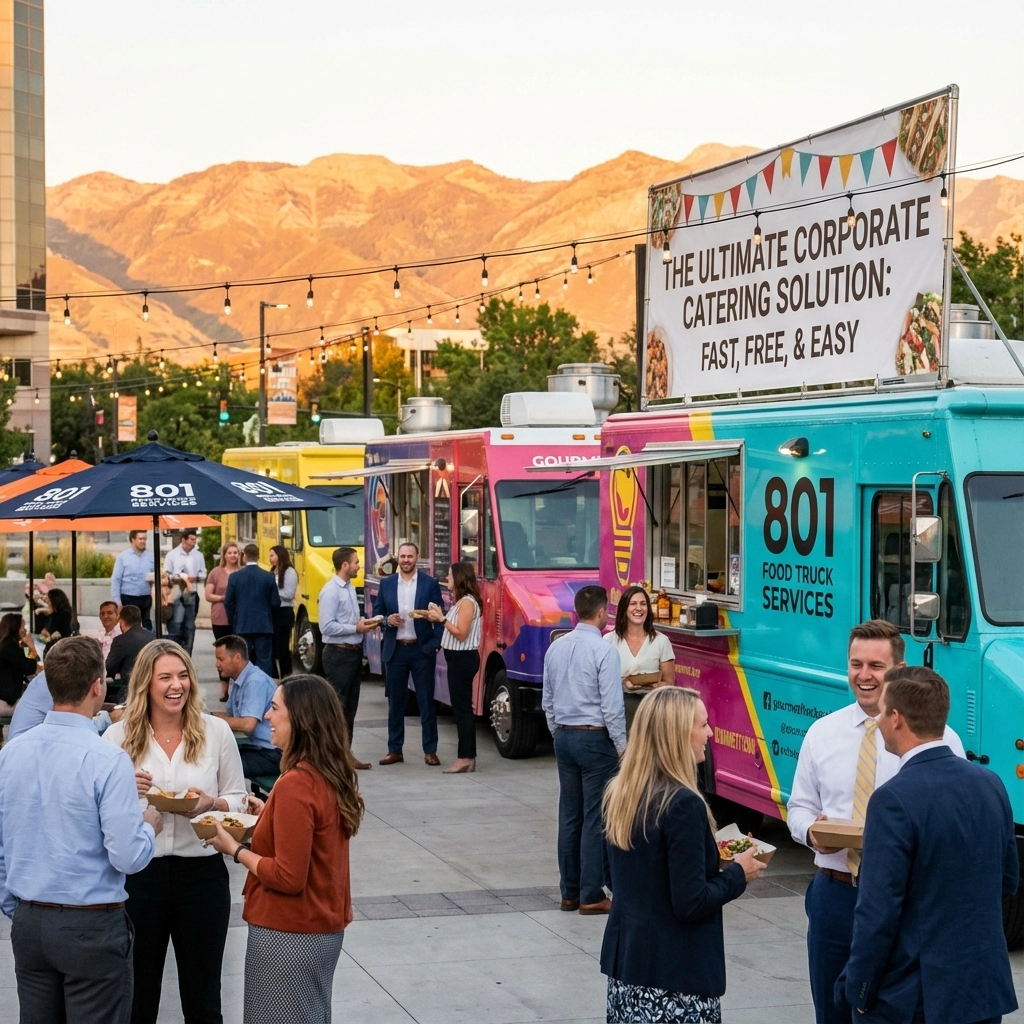
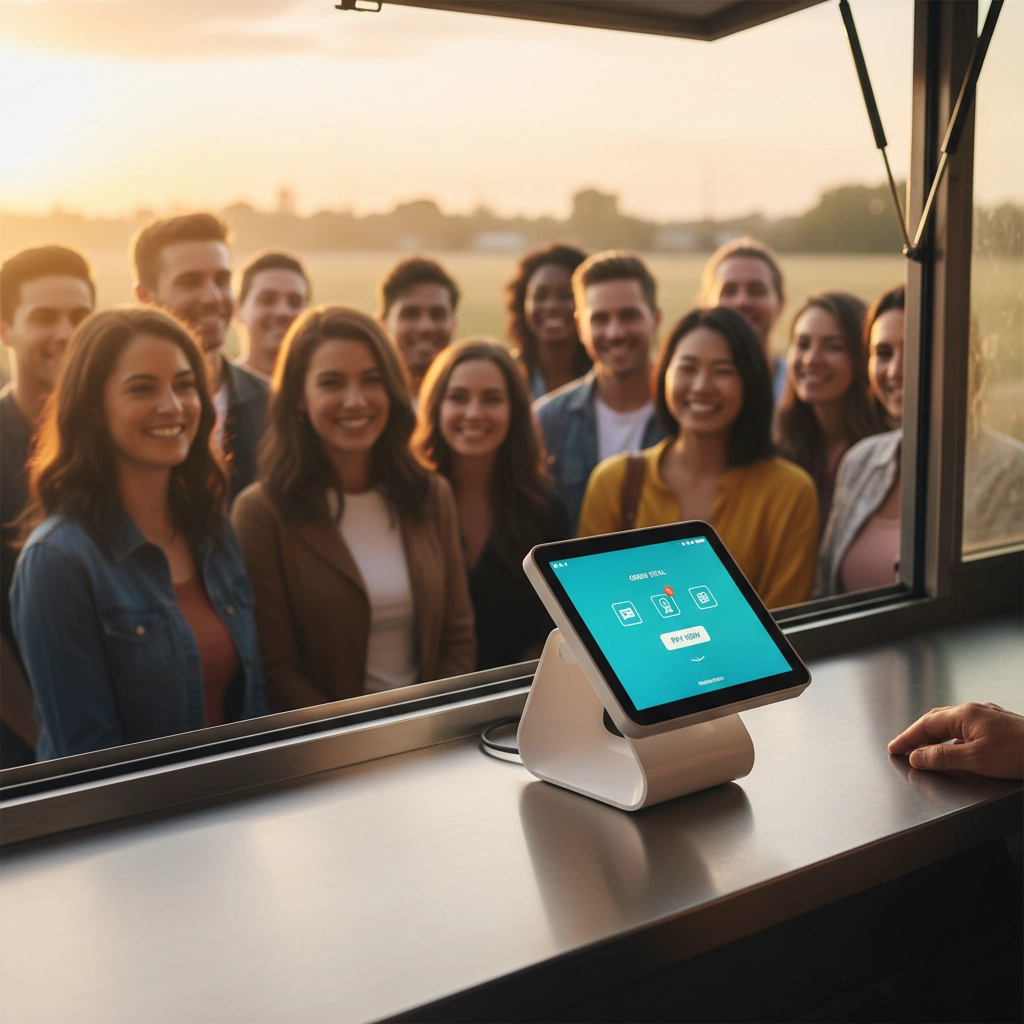
  • image_2

    Utah’s Growing Food Truck Scene and Direct Booking Benefits

    Utah’s food truck industry is booming, especially in Salt Lake City, Park City, and Provo. With more operators in the market, direct booking gives you access to:

    Wider Menu Selection: When you book direct, food truck operators can offer their full menu options, not just the limited selections available on third-party platforms.

    Local Expertise: Utah food truck operators know the best spots for events, local permit requirements, and seasonal menu adjustments. This local knowledge saves you time and potential additional costs.

    Flexible Scheduling: Direct booking allows for more flexible timing and last-minute adjustments without the rigid policies of third-party platforms.

    Supporting Local Business: Your money stays in the local Utah economy instead of going to out-of-state platform companies.

    What 801 Food Trucks & Catering Offers with Direct Booking

    When you book directly with 801 Food Trucks & Catering, here’s what you get that third-party platforms can’t match:

    Personalized Service: We work with you one-on-one to understand your event needs, dietary restrictions, and budget constraints. No automated responses or generic packages.

    Transparent Pricing Structure: Our quotes include everything – food, staff, equipment, travel within the Wasatch Front. No surprise fees at the end.

    Menu Customization: We can adjust portions, create custom menu items, or accommodate special dietary needs. Try getting that level of customization through a booking platform.

    Direct Communication: Questions about your event? Changes to your order? You talk directly to us, not a customer service representative who’s never worked with food trucks.

    image_3

    Better Service Guarantees: When something goes wrong (and sometimes it does), direct relationships mean faster problem resolution and better outcomes for your event.

    Common Third-Party Platform Tricks That Cost You More

    Watch out for these common tactics that third-party booking platforms use:

    Dynamic Pricing: Some platforms change prices based on demand, location, and timing. Book directly and avoid price fluctuations.

    Package Bundling: Platforms often bundle services you don’t need, inflating your total cost. Direct booking lets you pay only for what you want.

    Limited Cancellation Policies: Third-party platforms often have stricter cancellation and change policies compared to direct booking arrangements.

    Hidden Travel Fees: Some platforms don’t clearly communicate travel charges for locations outside main service areas until after you’ve committed to booking.

    How to Book Direct with Utah Food Trucks

    Ready to save money on your next event? Here’s how to book direct:

    1. Research Local Operators: Look for established food truck utah operators with good reviews and proper licensing.
    2. Call or Email Directly: Skip the platforms and reach out directly through the operator’s website or phone.
    3. Be Clear About Your Needs: Provide event date, location, expected guest count, and budget range upfront.
    4. Ask About Discounts: Many operators offer discounts for repeat customers, non-profit events, or off-peak bookings.
    5. Get Everything in Writing: Direct bookings should still include written contracts with all details clearly stated.
    image_4

    The Bottom Line on Direct Booking

    When you’re planning your next Utah event, remember that convenience isn’t always worth the extra cost. Third-party booking platforms might save you a few minutes of research time, but they’ll cost you hundreds or thousands of dollars in unnecessary fees.

    Direct booking with food truck catering utah operators like 801 Food Trucks & Catering gives you better prices, better service, and better results for your event. You get to work directly with experienced professionals who care about making your event successful, not just processing another transaction.

    Your guests deserve amazing food, and your budget deserves to be respected. Skip the middleman, save the money, and get the direct service that makes events truly memorable.

    Ready to see the difference direct booking makes? Contact 801 Food Trucks & Catering today for a personalized quote that beats any third-party platform pricing. Your wallet – and your event guests – will thank you.

  • If you’re tired of the same old pizza routine and want something that won’t leave you feeling sluggish afterward, Fire Pizza Artisan Flatbreads is about to become your new obsession. This innovative Fire Pizza Artisan Flatbreads has completely reimagined what pizza can be, offering a rotating menu of global fusion flavors that changes weekly, all while delivering 60% fewer calories and carbs than traditional pizza.

    The Health-Conscious Revolution in Food Truck Catering

    Let’s face it – most of us love pizza, but we don’t love how we feel after demolishing a whole pie. Fire Pizza has cracked the code on this age-old dilemma. Their artisan flatbreads pack all the flavor you crave while being genuinely better for you. With 60% fewer calories and carbs than regular pizza, you can actually enjoy seconds without the guilt spiral that usually follows.

    This isn’t about sacrificing taste for health – it’s about elevating both. The secret lies in their thin, crispy flatbread base that’s wood-fired to perfection, creating that ideal balance of crunch and chew that makes every bite satisfying without being heavy.

    image_1

    A World Tour on Every Flatbread

    What sets Fire Pizza apart from other food trucks in utah is their commitment to culinary adventure. Their weekly rotating menu reads like a passport stamped with flavors from around the globe. One week you might find a Korean BBQ flatbread topped with bulgogi beef, kimchi, and sesame drizzle. The next week could feature a Mediterranean masterpiece with za’atar-spiced chicken, roasted red peppers, feta, and tahini sauce.

    The creativity doesn’t stop there. Picture a Thai-inspired flatbread with peanut sauce base, grilled chicken, bean sprouts, crushed peanuts, and fresh cilantro. Or maybe a Mexican street corn version with charred corn, cotija cheese, lime crema, and chili powder. Each creation tells a story and takes your taste buds on an unexpected journey.

    This rotating approach means there’s always something new to discover, making Fire Pizza the perfect choice for repeat events and adventurous eaters who get bored with standard catering options.

    Fresh Ingredients, Bold Combinations

    The magic happens with their commitment to fresh, high-quality ingredients. Fire Pizza sources locally when possible and never cuts corners on quality. Their wood-fired cooking method not only adds incredible smoky flavors but also preserves the nutritional value of their fresh toppings.

    Their fusion approach isn’t just about mixing random ingredients – it’s thoughtful culinary creativity. Take their popular Indian-fusion flatbread: tandoori-spiced chicken with caramelized onions, fresh spinach, and a cooling mint yogurt drizzle. The heat from the tandoori spices plays perfectly against the cool yogurt, while the wood-fired base adds another layer of complexity.

    image_2

    Beyond Pizza: A Complete Culinary Experience

    While their flatbreads steal the show, Fire Pizza offers so much more. Their menu extends to enchilada bowls that bring Mexican street food vibes, pasta salads that complement the flatbreads perfectly, and refreshing Italian lemonade that cleanses the palate between bites.

    But here’s where things get really interesting – their artisan dessert pizzas. Imagine ending your meal with a sweet flatbread topped with Nutella, fresh strawberries, and powdered sugar, all warmed to gooey perfection in their wood-fired oven. Or perhaps a s’mores-inspired creation with melted chocolate, toasted marshmallows, and graham cracker crumbs.

    They also craft fire-baked breads and their signature Unmai Sandwiches – crispy, melty creations that showcase their wood-fired cooking skills beyond pizza.

    Perfect for Every Event Type

    When it comes to 801 Food Trucks & Catering and Catering by Food Trucks in salt lake city, Fire Pizza brings something unique to the table. Their setup works beautifully for corporate events where people want options that won’t put them in a food coma during afternoon meetings. The lighter flatbreads keep energy levels up while still providing that satisfying meal experience.

    For weddings and special celebrations, the visual appeal of their wood-fired cooking creates an interactive dining experience. Guests love watching their food being prepared fresh, and the aromatic wood smoke adds to the ambiance. Plus, with weekly changing flavors, couples can work with Fire Pizza to create custom fusion combinations that reflect their personal story or cultural backgrounds.

    image_3

    The Adventurous Eater’s Dream

    Food truck events and festivals have become hunting grounds for adventurous eaters, and Fire Pizza delivers exactly what these flavor seekers want. Their weekly rotation means food truck regulars always have something new to try, building a loyal following of people who genuinely look forward to seeing what creative combination comes next.

    The fusion approach also makes Fire Pizza incredibly inclusive. Vegetarians can enjoy globally-inspired veggie combinations, while meat lovers get their fill with creative protein applications from various cuisines. The healthier preparation method means even health-conscious diners can indulge without compromise.

    Innovation Meets Tradition

    What’s brilliant about Fire Pizza’s approach is how they honor traditional cooking methods while embracing modern fusion creativity. Wood-fired cooking has been around for centuries, but applying it to Korean, Thai, Indian, and Mexican-inspired flatbreads creates something entirely new.

    This respect for both tradition and innovation shows in every aspect of their operation. They’ve taken the ancient art of wood-fired cooking and made it accessible through modern food truck mobility, bringing restaurant-quality fusion cuisine directly to events across Utah.

    image_4

    Booking Fire Pizza for Your Next Event

    If you’re planning an event and want food truck rental utah options that will genuinely impress your guests, Fire Pizza should be at the top of your list. They offer flexible service options, from individual flatbread orders to all-you-can-eat buffet-style setups that work perfectly for larger gatherings.

    Their team handles everything from menu planning to setup, making the process seamless for event organizers. And because their weekly rotation keeps things fresh, you could book them for multiple events throughout the year and never serve the same menu twice.

    The combination of healthier options, global fusion flavors, and the excitement of wood-fired cooking creates an experience that guests remember long after the event ends. In a world where food truck catering often means choosing between health and flavor, Fire Pizza proves you can absolutely have both.

    The Future of Food Truck Dining

    Fire Pizza Artisan Flatbreads represents where food truck dining is heading – toward healthier, more creative, globally-inspired options that don’t sacrifice quality or taste. Their weekly changing menu keeps the experience fresh and exciting, while their commitment to better-for-you ingredients means you can feel good about what you’re eating.

    Whether you’re planning a corporate lunch, wedding reception, or just want to treat yourself to something special, Fire Pizza brings together the best of global flavors, healthy eating, and wood-fired cooking tradition. In the competitive world of food trucks in utah, they’ve found their niche by refusing to choose between health and flavor – and delivering both in spectacular fashion.

    Ready to experience fusion flavors that change weekly? Fire Pizza Artisan Flatbreads is redefining what food truck catering can be, one globally-inspired flatbread at a time. Your taste buds (and your waistline) will thank you.