How to Control Food Truck Pricing During Hard Times (Without Losing Sales)
Look, I’m not gonna sugarcoat it – times are tough out there for food truck operators. Between rising ingredient costs, sky-high event fees, and customers watching every dollar, it feels like you’re stuck between a rock and a hard place. Raise your prices too much? You’ll lose customers. Keep them too low? You’ll go broke.
But here’s the thing – there’s a smart way to navigate this mess without pricing yourself out of business or sacrificing your profits. After years in the trenches managing operations, I’ve seen trucks survive and even thrive during economic downturns by getting strategic about their pricing approach.
What Are Your REAL Costs? (Most Truck Owners Get This Wrong!)
Before you can price anything intelligently, you need to know exactly what it costs to keep your truck rolling. And I mean EVERYTHING – not just the obvious stuff.
Your monthly costs probably look something like this:
- Fuel and maintenance: $2,500
- Insurance: $600
- Permits and licenses: $200
- Food costs: $4,000-6,000
- Event fees in Utah: $200-800 per event
- Labor: $3,000-5,000
- Miscellaneous expenses: $1,000+
The average food truck spends around $10,922 monthly just to operate! That’s before you pay yourself anything. If you don’t know these numbers for YOUR truck, stop reading right now and figure them out. Seriously – you can’t price strategically if you’re flying blind.

Smart Pricing Strategies That Actually Work
Dynamic Pricing is Your Secret Weapon
Here’s what successful trucks do differently – they don’t use one-size-fits-all pricing. During peak lunch hours when lines are long? Charge premium prices. During slower periods or bad weather? Offer competitive pricing to keep traffic flowing.
Use your POS system or even a simple notebook to track when customers are willing to pay more versus when they’re price-shopping. Most truck owners are shocked to discover their customers will gladly pay $2-3 extra during busy periods but become price-sensitive during off-peak times.
The 80/20 Menu Rule
Focus 80% of your pricing strategy on the 20% of menu items that drive most of your sales. Keep your bestsellers competitively priced to maintain foot traffic, then strategically price your higher-margin items where customers expect to pay more.
Track what people actually order – not what you think they should order. If your loaded nachos sell like crazy at $12 but your gourmet burger sits at $16, guess which price needs protecting?
How Do You Optimize Portions Without Losing Quality?
This is where most trucks mess up – they either cut portions so much that customers feel ripped off, or they keep portions huge and kill their margins.
Strategic Portion Control
Instead of cutting everything across the board, analyze each menu item’s profit margin. Your $8 tacos might have great margins even with generous portions, while your $14 sandwich needs right-sizing to stay profitable.
Consider offering different portion sizes for the same item. A “regular” and “large” burrito gives customers choice while letting you maintain margins on both options.
Smart Menu Engineering
Remove or modify your lowest-margin items first. That specialty burger that requires expensive imported cheese and takes forever to make? Maybe it’s time for a recipe adjustment or removal during tough times.
Replace high-cost ingredients with quality alternatives that customers won’t notice. Swap expensive proteins for combo options, or use seasonal vegetables that cost less but still taste amazing.
Where Can You Cut Costs Without Sacrificing Quality?
Supplier Relationships Are Everything
This is where being in Utah actually helps – we have amazing local suppliers who want to work with food trucks. Build relationships with 2-3 suppliers for each ingredient category so you can negotiate better prices and have backup options when costs spike.
Buy in bulk with other truck owners. Form a buying group with 3-4 other trucks and negotiate volume discounts on everything from napkins to cooking oil.
Operational Efficiency Wins
Track your food waste religiously. If you’re throwing away $200 worth of ingredients weekly, that’s $10,400 annually – enough to make pricing much more competitive.
Share commissary space with other trucks to split rental costs. Cross-train your staff to handle multiple positions so you’re not overstaffed during slow periods.
How Do You Communicate Value to Price-Conscious Customers?
During hard times, customers aren’t just buying food – they’re buying an experience, convenience, and value. Your job is making sure they understand what they’re getting for their money.
Tell Your Story
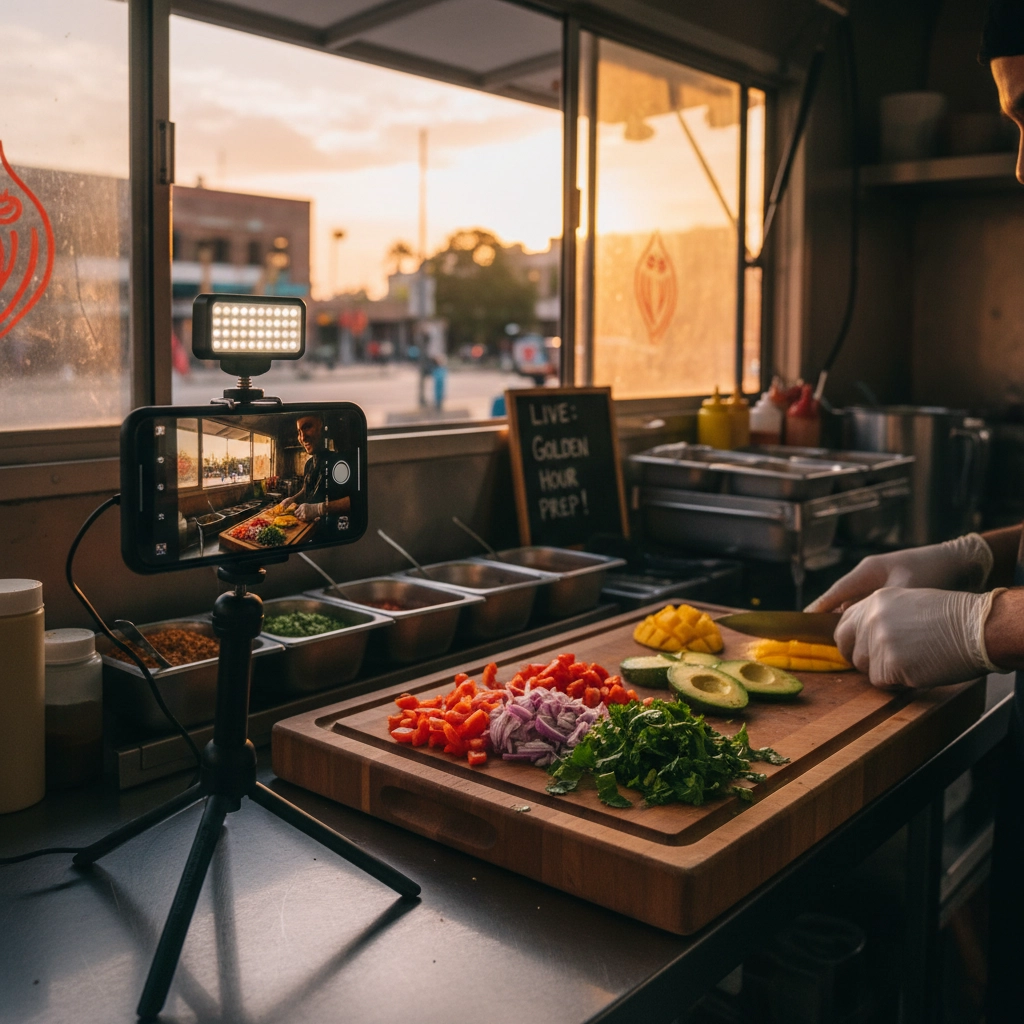
Use social media to show behind-the-scenes content. When customers see you prep fresh ingredients at 5 AM or understand that your ingredients cost more because they’re locally sourced, they’re more willing to pay fair prices.
Create Perceived Value
Bundle items strategically. A $15 combo that includes a drink and side feels like better value than a $12 entree alone, even if your margins are similar.
Offer loyalty programs that reward regular customers without cutting into margins. A “buy 10, get 1 free” punch card costs you one meal but creates customer retention.
What Are Utah’s Unique Pricing Challenges?
Event Fees Are Crushing Margins
Utah’s event fees range from $500-2000 per event, plus often a percentage of sales. Factor these into your daily pricing – if an event costs $500 and you expect to serve 200 customers, that’s $2.50 per customer just for the privilege of being there.
Competition Saturation
With more trucks than ever competing for the same customers, you can’t just raise prices without offering something unique. Focus on what makes YOUR truck special – whether it’s speed, quality, unique flavors, or customer service.
Seasonal Challenges
Utah’s weather affects food truck sales dramatically. Build pricing flexibility into your model so you can offer promotions during slow winter months without permanently devaluing your brand.
Diversifying Revenue Streams
Don’t rely solely on street sales to solve pricing pressures. Partner with delivery apps, offer catering packages, or create retail products that generate additional income without increasing operational costs.
Catering often allows premium pricing because customers expect to pay more for convenience and service. One $2,000 catering gig can equal several days of street sales with better margins.
Your Action Plan for Smart Pricing
Start by calculating your true costs per menu item – including labor, overhead, and those Utah-specific fees. Then implement dynamic pricing gradually, testing what your customers will accept during different times and situations.
Focus on maintaining competitive pricing on your top 3-5 sellers while optimizing margins on everything else. Use technology and data to make pricing decisions, not gut feelings.
Remember – the goal isn’t just survival, it’s building a sustainable business that can weather economic storms and come out stronger. Smart pricing during hard times sets you up for explosive growth when conditions improve.
The trucks that master pricing strategy now will dominate the market when things turn around. Don’t just react to economic pressures – use them as an opportunity to build better systems and stronger customer relationships.
Your customers want to support local businesses, especially during tough times. Give them reasons to choose your truck by delivering incredible value at fair prices, and you’ll not only survive these challenging times – you’ll thrive!
 Food Truck Blog
Leave a comment