Key Food Truck Success Factors in Utah: Keep It Simple, Fast, and Portable
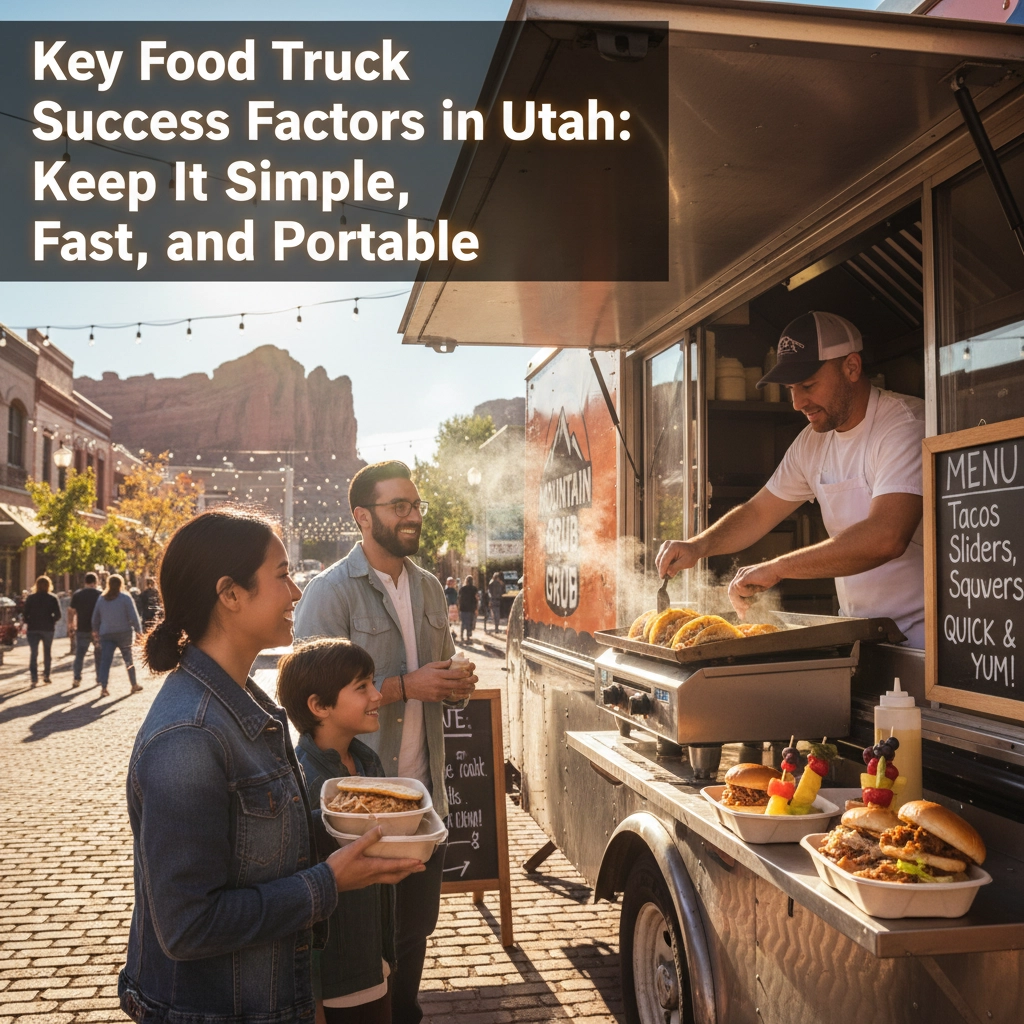
Running a successful food truck in Utah isn’t just about having great food: it’s about mastering the fundamentals that make mobile dining work. After years of working with food trucks across the Salt Lake City area and beyond, we’ve seen what separates thriving operations from those that struggle. The secret? Keep it simple, keep it fast, and keep it portable.
Whether you’re considering starting your own food truck utah operation or looking to improve your existing business, these four key success factors will make or break your venture in the competitive Utah market.
Master the Limited Menu Strategy
The biggest mistake new food truck operators make is trying to be everything to everyone. Your truck isn’t a traditional restaurant with unlimited prep space and storage. Successful food trucks in utah understand that less is more.
A limited, focused menu offers several game-changing advantages. First, it dramatically speeds up service times. When your crew only needs to master 6-8 core items instead of 20+, they become lightning fast at preparation. Second, it reduces food waste: one of the biggest profit killers in the mobile food business. You’re not throwing away ingredients that didn’t move, and you’re not dealing with complicated inventory management.
Third, a smaller menu simplifies your supply chain. Instead of sourcing dozens of different ingredients from multiple suppliers, you can focus on getting the best quality versions of fewer items. This often means better pricing through volume discounts and stronger relationships with suppliers.
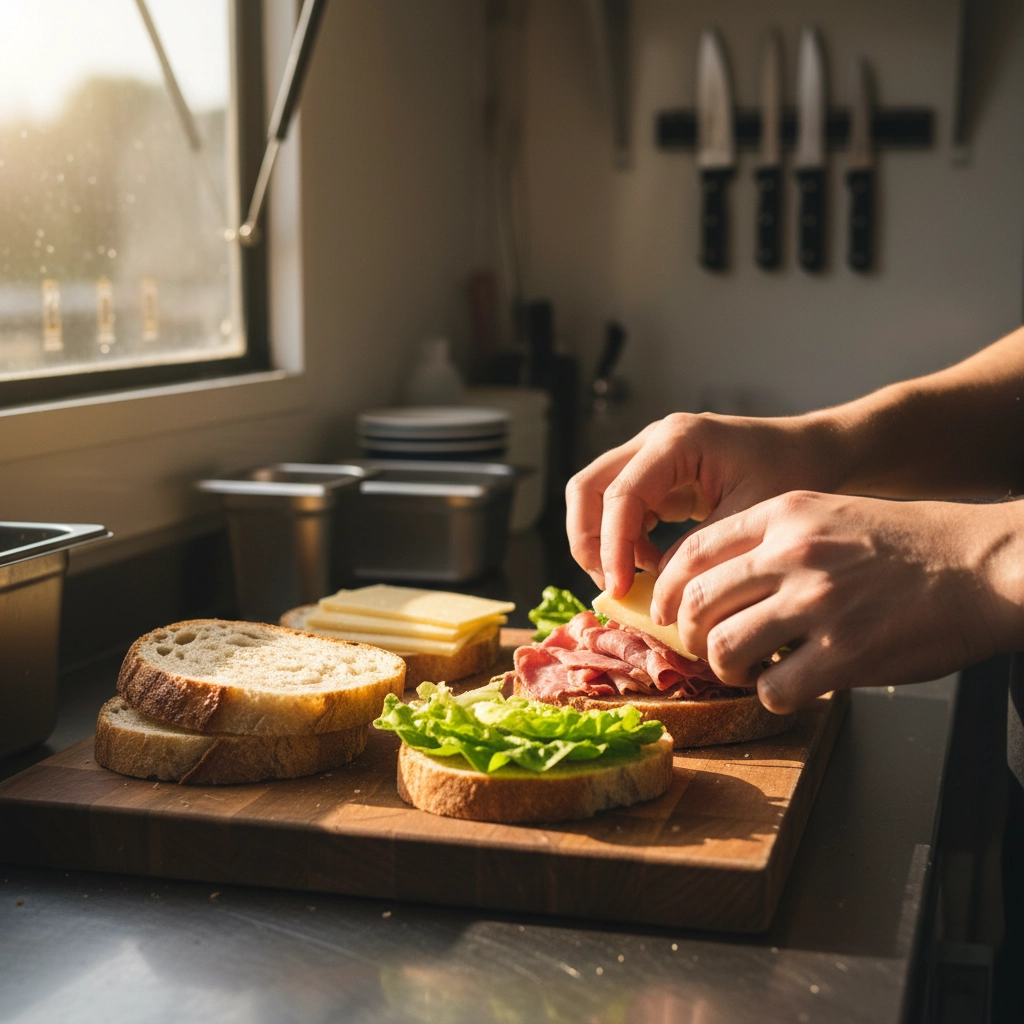
Think about Utah’s most successful food truck operations. They’re known for doing 3 or 4 things exceptionally well, not for having the longest menu. Whether it’s gourmet grilled cheese, authentic tacos, or Korean-fusion bowls, the winners have found their niche and perfected it.
For food truck catering utah events, a focused menu also makes logistics much smoother. You can accurately estimate quantities, reduce prep time, and ensure consistent quality across large orders. Event planners appreciate knowing exactly what you do best rather than wading through pages of options.
Speed Is Everything in Food Truck Service
In the food truck business, time literally equals money. Every minute a customer waits in line is a minute you’re not serving the next person. During peak lunch hours at busy Salt Lake City locations, the difference between 3-minute and 6-minute service times can mean serving 50 more customers.
Speed starts with your menu design. Items that can be partially prepped ahead of time, assembled quickly, and served immediately will always outperform complex dishes that require extensive cook-to-order preparation. This doesn’t mean sacrificing quality: it means being smart about your processes.
Cross-training your team is crucial for maintaining speed. During rush periods, you need every team member capable of jumping between stations. One person might be taking orders while assembling simple items, another handling hot preparations, and a third managing payment and order completion. Flexibility keeps your line moving.
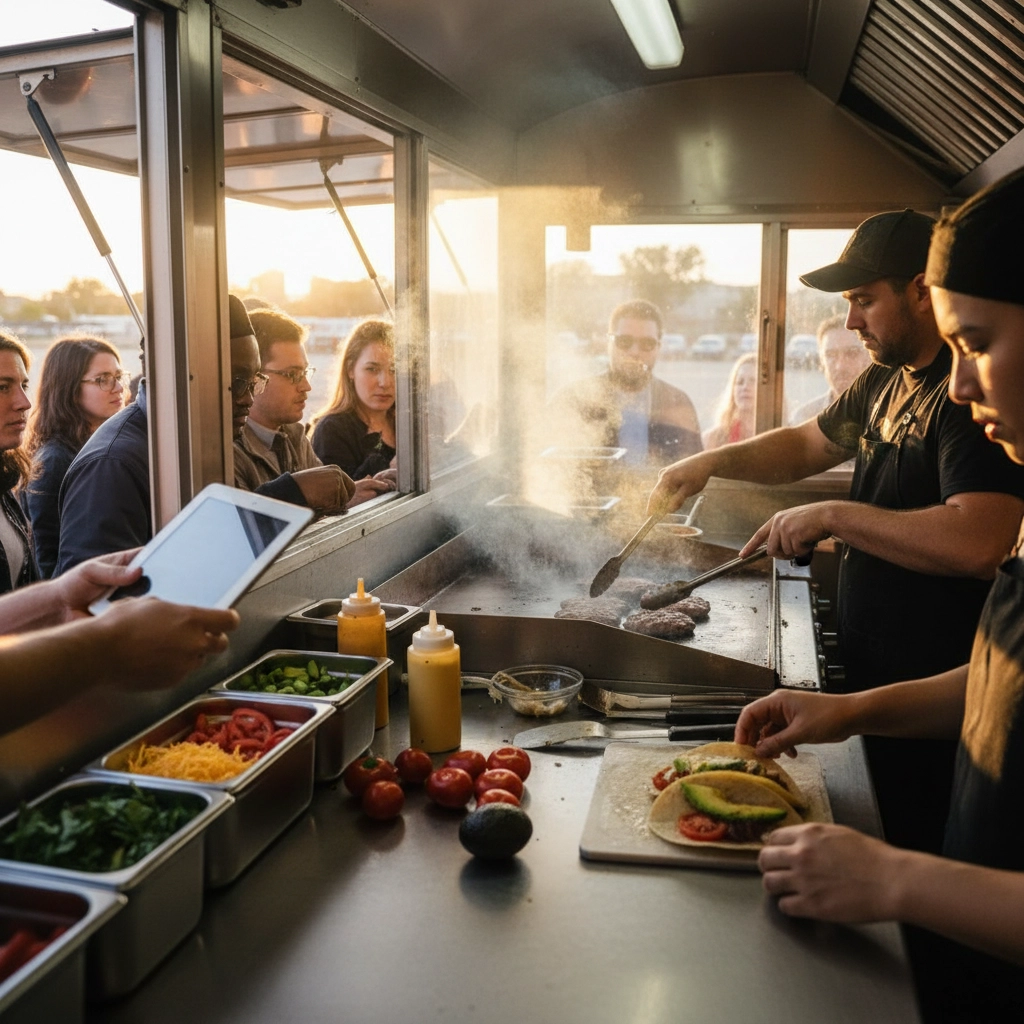
Technology can be your speed ally. Many successful utah food trucks use point-of-sale systems that integrate with payment processing, reducing transaction times. Some even offer mobile ordering for regular customers or large catering orders, allowing people to skip the line entirely.
For food truck catering salt lake city events, speed becomes even more critical. When you’re serving hundreds of people during a limited lunch window, every efficiency matters. Pre-event preparation, streamlined serving processes, and adequate staffing can make the difference between a successful event and a disaster.
Portability: More Than Just Mobile Dining
Portability isn’t just about your truck being mobile: it’s about creating food that fits the mobile lifestyle. Your customers aren’t sitting at tables with full place settings. They’re eating while standing, walking, or sitting on park benches. Your food needs to work with this reality.
The best food truck items can be eaten with one hand, don’t require cutting, and won’t create a mess. Wraps, sandwiches, bowls with secure lids, and handheld items consistently outperform foods that require utensils or careful handling. This is especially important in Utah where many food truck customers are grabbing lunch during short work breaks or eating at outdoor events.
Packaging becomes part of your portability strategy. Invest in quality containers that keep food warm, prevent leaks, and make eating easy. Your packaging is often the last impression customers have of your brand, so it needs to work perfectly.
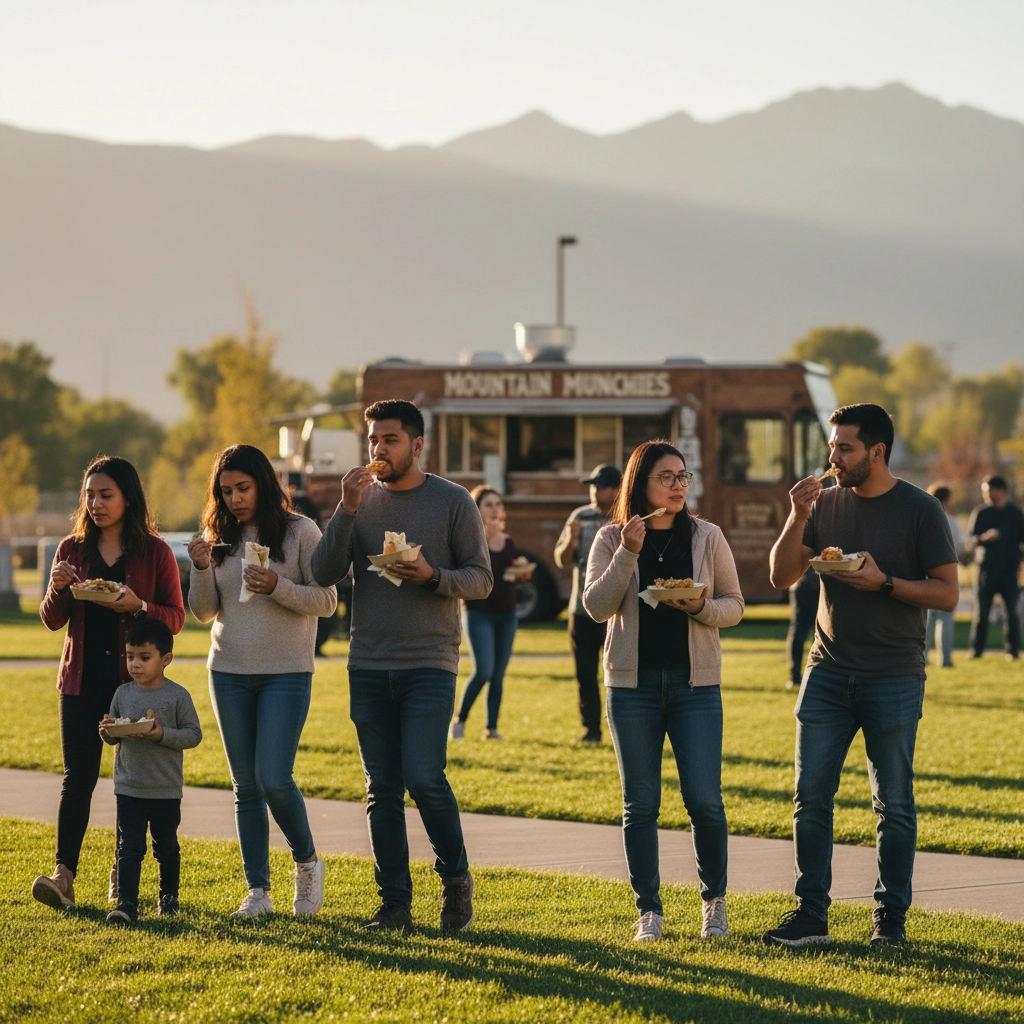
Consider Utah’s outdoor event culture. From summer festivals in Liberty Park to winter markets in Park City, customers expect food they can enjoy while moving around and socializing. Your menu should celebrate this outdoor, active lifestyle rather than fight against it.
For catering events, portability extends to your setup and breakdown processes. The faster you can get operational and the cleaner you can leave a site, the more event organizers will want to work with you again.
Ingredient Cross-Utilization: The Profit Multiplier
Smart ingredient usage separates profitable food trucks from those that struggle financially. When you can use the same base ingredients across multiple menu items, you reduce inventory complexity, minimize waste, and maximize purchasing power.
Consider a successful utah food truck that builds their entire menu around rice, black beans, grilled chicken, cheese, and a few signature sauces. These ingredients can create burritos, bowls, quesadillas, nachos, and salads. Each menu item feels distinct to customers, but your prep work, inventory, and supplier relationships remain streamlined.
This strategy works particularly well for food truck catering utah operations. When a corporate client orders for 100 people, you can offer variety through different combinations of the same core ingredients. Your prep time stays manageable, your food costs remain predictable, and you reduce the risk of running out of key ingredients.
Sauce and seasoning variations can create the illusion of much greater menu diversity. The same grilled chicken can become Mediterranean with tzatziki and herbs, Mexican with lime and chili, or Asian with teriyaki and sesame. Your protein prep stays consistent, but customers experience completely different flavor profiles.
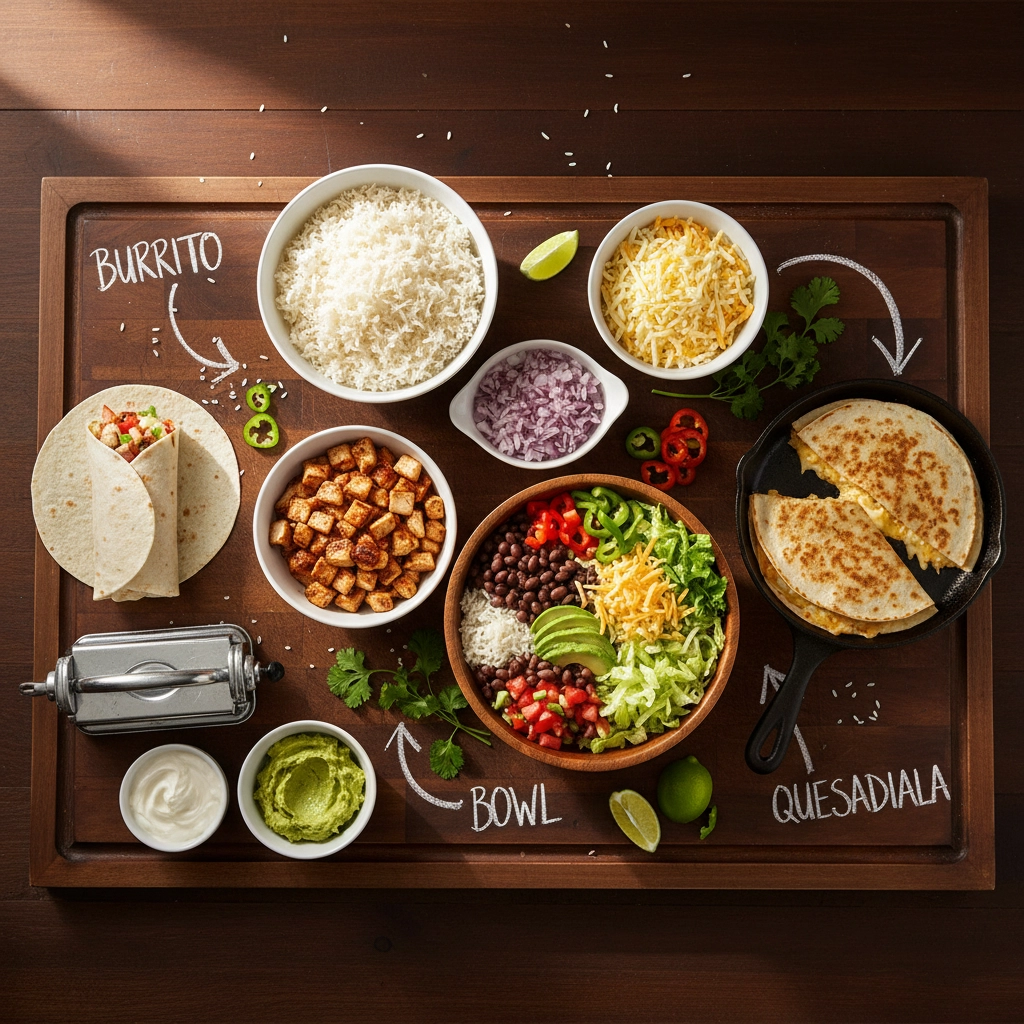
Cross-utilization also helps with portion control and food safety. When you’re using the same ingredients across multiple items, your team becomes expert at proper handling, storage, and portioning. This consistency reduces waste and ensures food safety standards.
Utah-Specific Success Considerations
Operating food trucks in utah comes with unique opportunities and challenges. The state’s supportive business environment and growing food truck scene create opportunities, but the seasonal climate and specific local preferences require adaptation.
Utah’s winter months can significantly impact foot traffic for street-side operations, but they create opportunities for indoor events and corporate catering. Many successful utah food trucks pivot to more catering-focused operations during colder months, working with businesses, schools, and event venues.
The state’s health-conscious culture influences menu preferences. Options that accommodate dietary restrictions: vegetarian, gluten-free, or lower-sodium choices: often perform better than in other markets. However, these can be incorporated into your limited menu strategy through thoughtful ingredient selection.
Utah’s strong sense of community creates opportunities for repeat business and word-of-mouth marketing. Food truck operators who engage with local events, support community causes, and build relationships with regular customers often outperform those who treat it as purely transactional business.

Salt Lake City’s downtown lunch crowd has specific timing expectations. The traditional lunch rush runs from 11:30 AM to 1:30 PM, with peak demand between 12:00 and 12:45 PM. Positioning and preparation for this window can make or break daily revenue targets.
Making It Work Together
These four success factors work best when implemented together. Your limited menu should feature fast-to-prepare, portable items made from cross-utilized ingredients. Each decision should support the others, creating an operation that’s efficient, profitable, and scalable.
For those considering food truck rental utah options or looking to start their own operation, focusing on these fundamentals first will set you up for long-term success. The food truck business rewards operators who master the basics before trying to innovate or expand.
At 801 Food Trucks & Catering, we’ve seen these principles transform struggling operations into thriving businesses. Whether you’re planning your first food truck or looking to improve your existing operation, keeping it simple, fast, and portable isn’t just good advice: it’s the foundation of sustainable success in Utah’s competitive food truck market.
Ready to put these principles to work? Contact us to learn more about food truck opportunities in Utah or to book our proven catering services for your next event.
 Food Truck Blog
Leave a comment