Are Food Truck Roundups a Dying Concept?
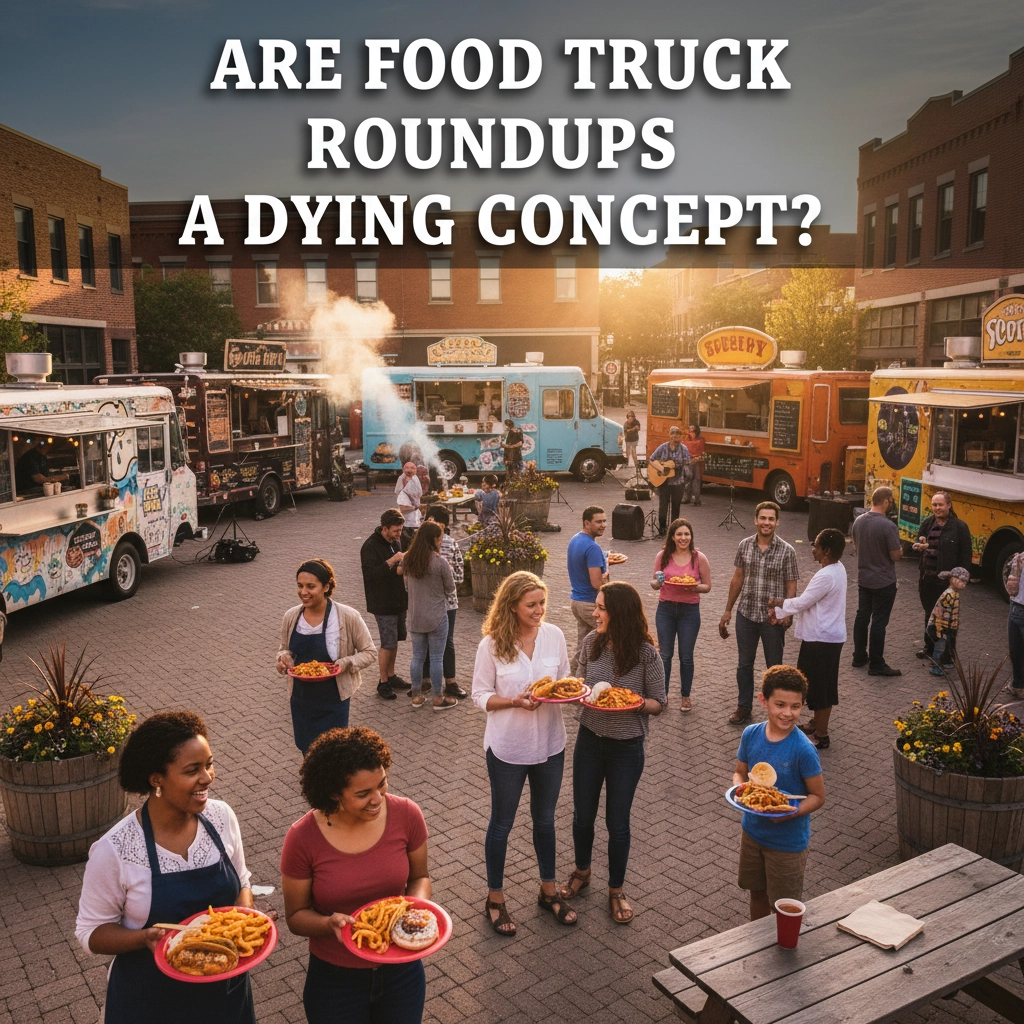
Let’s be real here – if you’ve been in the food truck utah scene for more than a minute, you’ve probably noticed something. Those big weekday and weekend food truck roundups that used to pack parks and parking lots across the Wasatch Front? They’re not quite what they used to be. As someone who’s been working with food trucks in utah for years here at 801 Food Trucks & Catering, I’ve got some thoughts on what’s really happening.
The short answer? Food truck roundups aren’t exactly dying, but they’re definitely evolving – and not always in ways that work for everyone involved.
The Golden Days of Food Truck Festivals
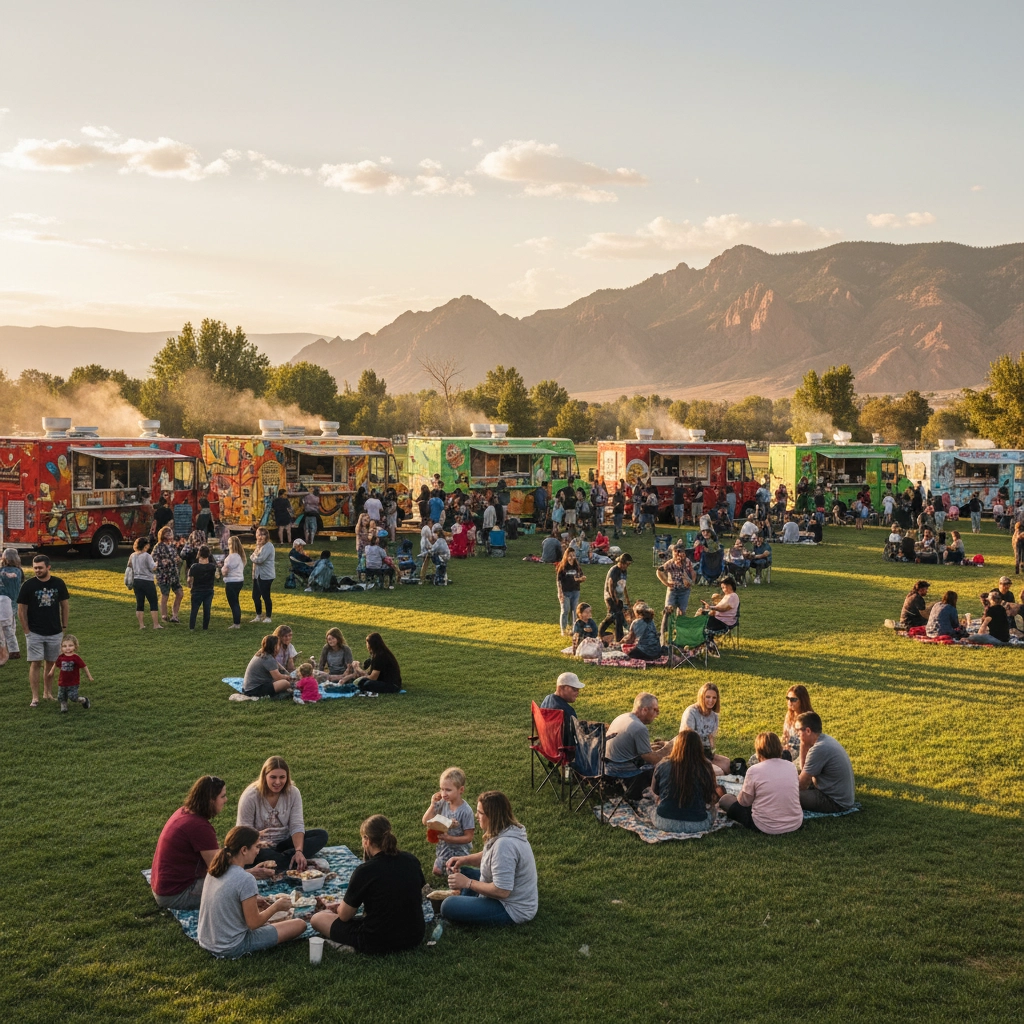
Remember when food truck roundups first hit Utah? Man, those were something else. You’d roll up to Liberty Park or some corporate parking lot on any given day, and there’d be 8-15 trucks lined up, each with their own loyal following. Lines snaking around corners, families sprawled on blankets, that whole festival vibe.
But here’s what was happening behind the scenes that most people didn’t see: permits were a nightmare, trucks were constantly breaking down, and half the trucks were barely breaking even after paying vendor fees, fuel costs, and dealing with inconsistent customer turnout.
Why Traditional Roundups Are Struggling
The Permit Game Got Complicated
Utah’s food safety regulations have gotten tighter (which is good!), but the permit process for multi-vendor events has become a bureaucratic maze. Getting 10+ food trucks properly permitted for a single event now requires weeks of advance planning and coordination that many event organizers just aren’t equipped to handle.
We’ve seen food truck catering salt lake city trucks get shut down mid-service because someone missed a permit renewal or didn’t file the right paperwork with the health department. That’s not just embarrassing – it’s expensive for everyone involved.
Customer Expectations Have Shifted
Today’s customers want reliability and convenience. They’re not necessarily looking to spend their weekend hunting down their favorite truck at some random location. Instead, they want to know where they can find 801 Food trucks when they need it – for their office lunch, their wedding, or their corporate event.
The spontaneous “let’s see what trucks are at the roundup today” mentality has been replaced by “I want Thai food, and I want it delivered to my workplace at 12:30 PM sharp.”
Social Media Changed the Game
Here’s something interesting we’ve noticed: social media actually made traditional roundups less necessary. Food trucks can now build direct relationships with their customers through Instagram, Facebook, and TikTok. They don’t need a big festival to get discovered – they need consistent quality and smart social media marketing.
A truck with 10,000 Instagram followers can make more money doing targeted food truck events than they can splitting customer attention with 19 other vendors at a crowded roundup.
What’s Replacing Traditional Roundups
Private Catering Events Are Booming
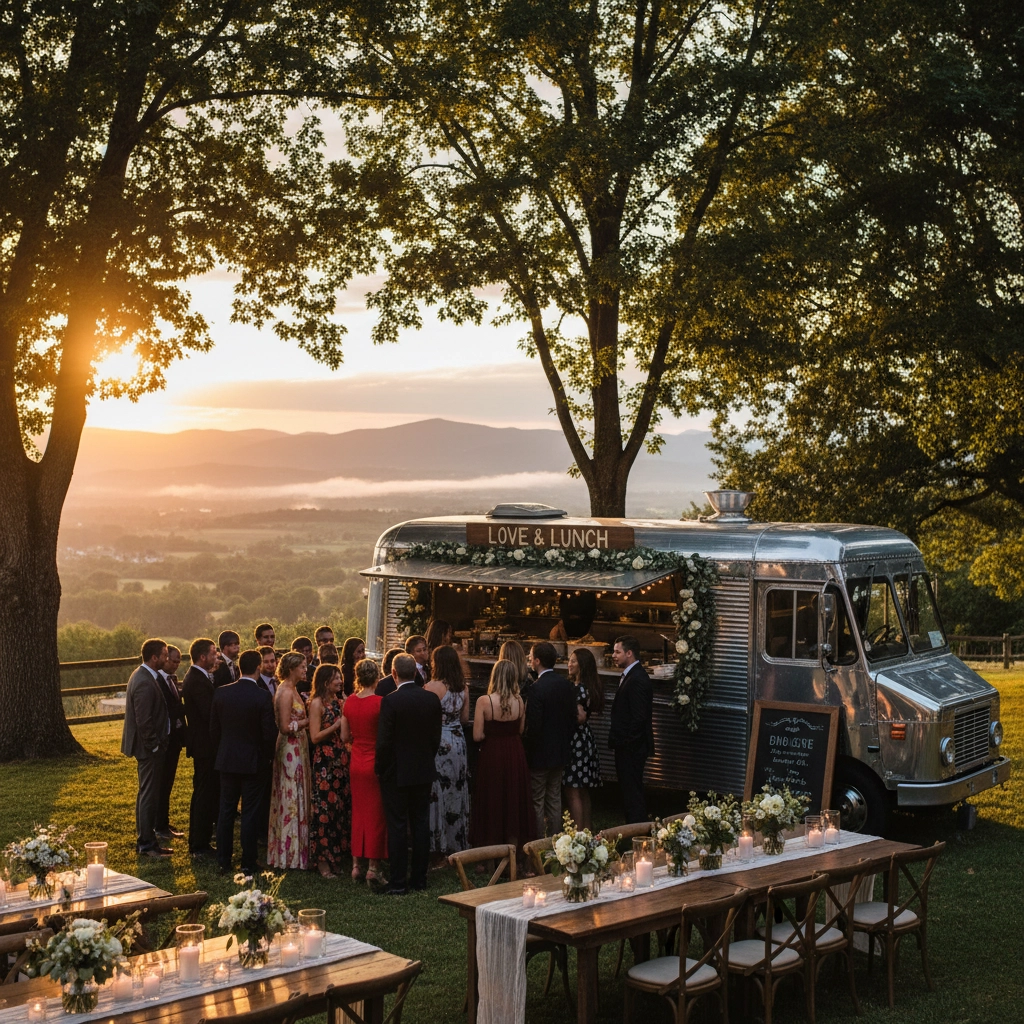
This is where we’ve seen the biggest shift. Corporate events, weddings, private parties – that’s where the money is now. A single food truck catering contract for a company picnic can be worth more than three weekday roundups, with way less stress and overhead.
We’ve booked trucks for everything from tech company employee appreciation events to intimate wedding receptions in Park City. The profit margins are better, the logistics are simpler, and customers get exactly what they want without the chaos of competing vendors.
Food Truck Parks and Permanent Locations
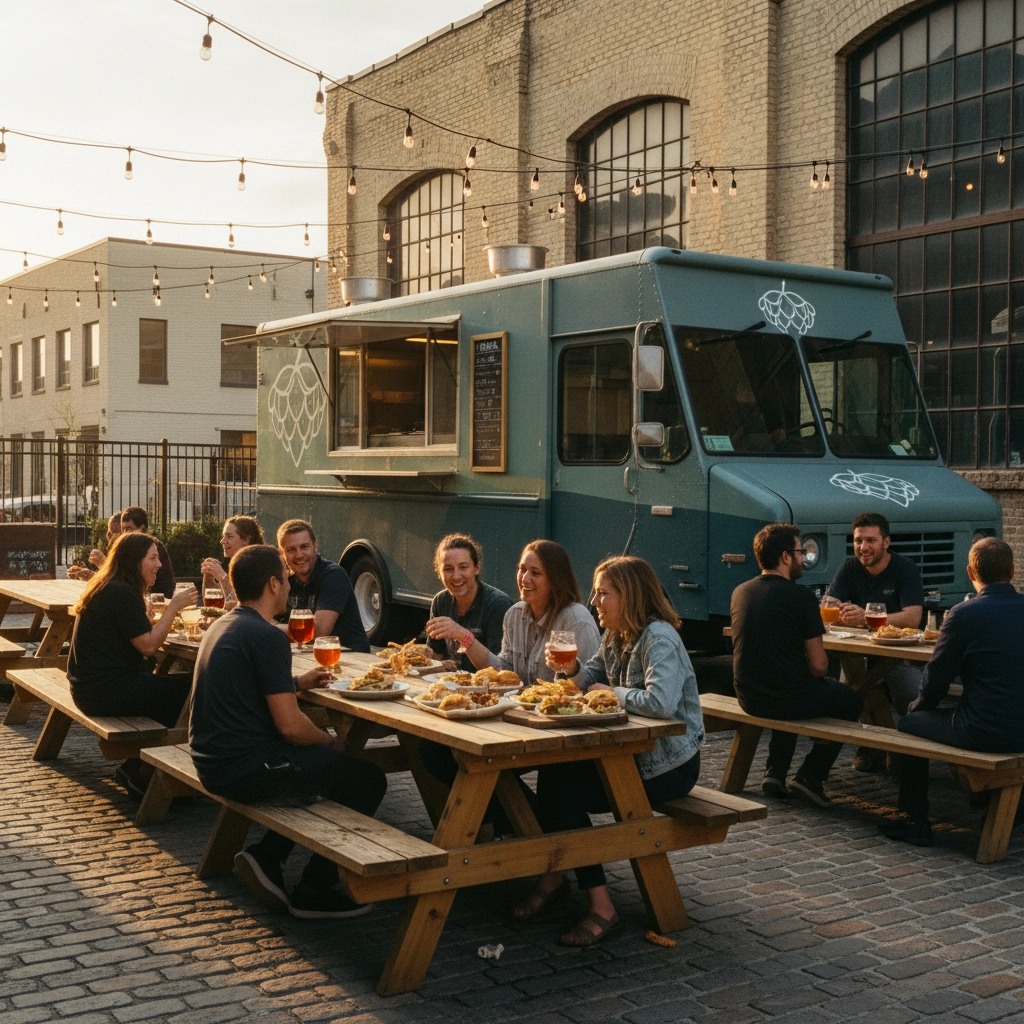
Instead of chasing roundups around town, smart operators are finding semi-permanent spots or partnering with breweries, shopping centers, and business districts. This gives them the consistency of a restaurant with the flexibility of a mobile operation.
We’ve seen several food trucks in utah find success by setting up regular schedules at the same locations – “Taco Tuesday at the Gateway,” “BBQ Fridays at the office complex,” that kind of thing. Customers know where to find them, and operators can predict their revenue.
Curated Mini-Events
The roundups that are still successful tend to be smaller and more focused. Instead of 20 random trucks, you might see 4-5 carefully selected vendors that complement each other. Think “Asian Food Night” with Korean, Thai, Vietnamese, and Japanese trucks, or “Comfort Food Weekend” with BBQ, mac and cheese, and dessert trucks.
These curated events create a better experience for customers and higher sales per truck for vendors.
The Corporate Event Revolution
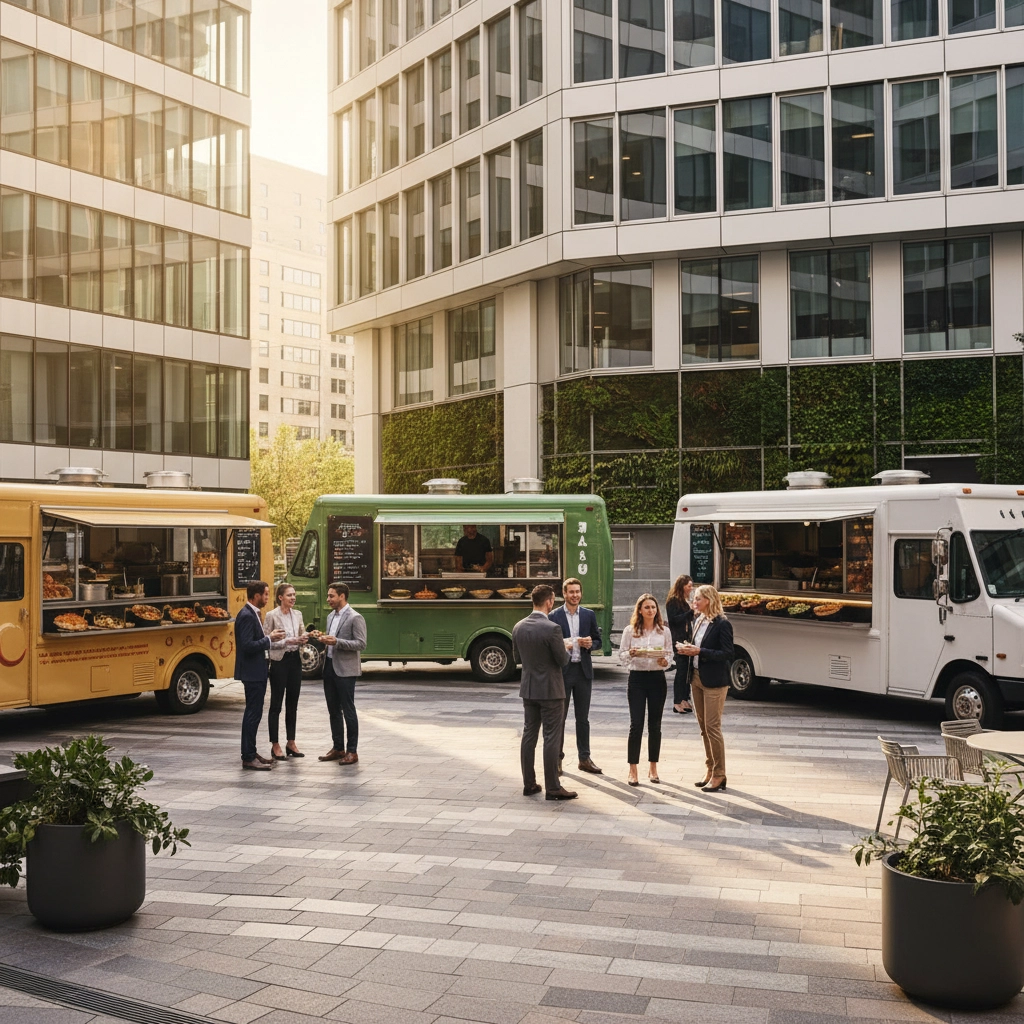
Let me tell you about something we’re seeing more and more of: companies ditching traditional catering for food truck experiences. It started during the pandemic when outdoor dining felt safer, but it’s continued because employees actually prefer it.
801 Food Trucks & Catering by Food Trucks setup brings something special to corporate events that traditional catering can’t match – it’s interactive, Instagram-worthy, and feels like a treat rather than just another boring lunch meeting.
We’ve catered everything from small team meetings to company-wide celebrations, and the feedback is consistently better than what we hear about traditional catering. Plus, the logistics are often simpler for event planners once you work with experienced operators who know how to handle permits, power, and positioning.
What This Means for Event Planners
If you’re planning events in Utah, here’s my advice: don’t write off food trucks because traditional roundups aren’t what they used to be. Instead, think about how to use 801 Food Trucks services strategically.
For corporate events, 1-3 carefully chosen trucks often work better than trying to recreate a festival atmosphere. Your employees get variety without overwhelming choices, and you get better service because the trucks aren’t stretched thin.
For private events like weddings or parties, a single high-quality truck can be more memorable and cost-effective than traditional catering, especially for outdoor venues where kitchen access is limited.
The Utah Advantage
Here’s something that works in our favor: Utah has an amazing food truck scene that’s still growing. The food truck catering market isn’t to saturated like some cities, and there’s room for innovation.
Local customers are also incredibly supportive of small businesses, which means food trucks that build community relationships tend to thrive here, even without relying on big roundup events.
Looking Forward
So are food truck roundups dying? Not exactly, but they’re definitely not the main event anymore. The successful operators are the ones who’ve adapted to treat roundups as one tool in their toolkit rather than their entire business strategy.
The future belongs to food trucks that can do it all – cater your corporate lunch on Tuesday, serve at a wedding on Saturday, and maybe hit a curated roundup on Monday if it makes financial sense.
At 801 Food Trucks & Catering, we’ve embraced this evolution. We still love a good festival atmosphere, but we’ve built our business around reliability, quality, and serving our customers where and when they need us most.
The roundup might not be king anymore, but the food truck industry in Utah is stronger and more diverse than ever. And honestly? That’s probably better for everyone – customers get more consistent service, operators get more predictable income, and event planners get more options for creating memorable experiences.
The game has changed, but the players who’ve adapted are winning bigger than ever.
 Food Truck Blog
Leave a comment