How We Build Every Food Truck Concept From Vision to Hand-Built Truck to First Service: Inside 801 Food Trucks’ Process
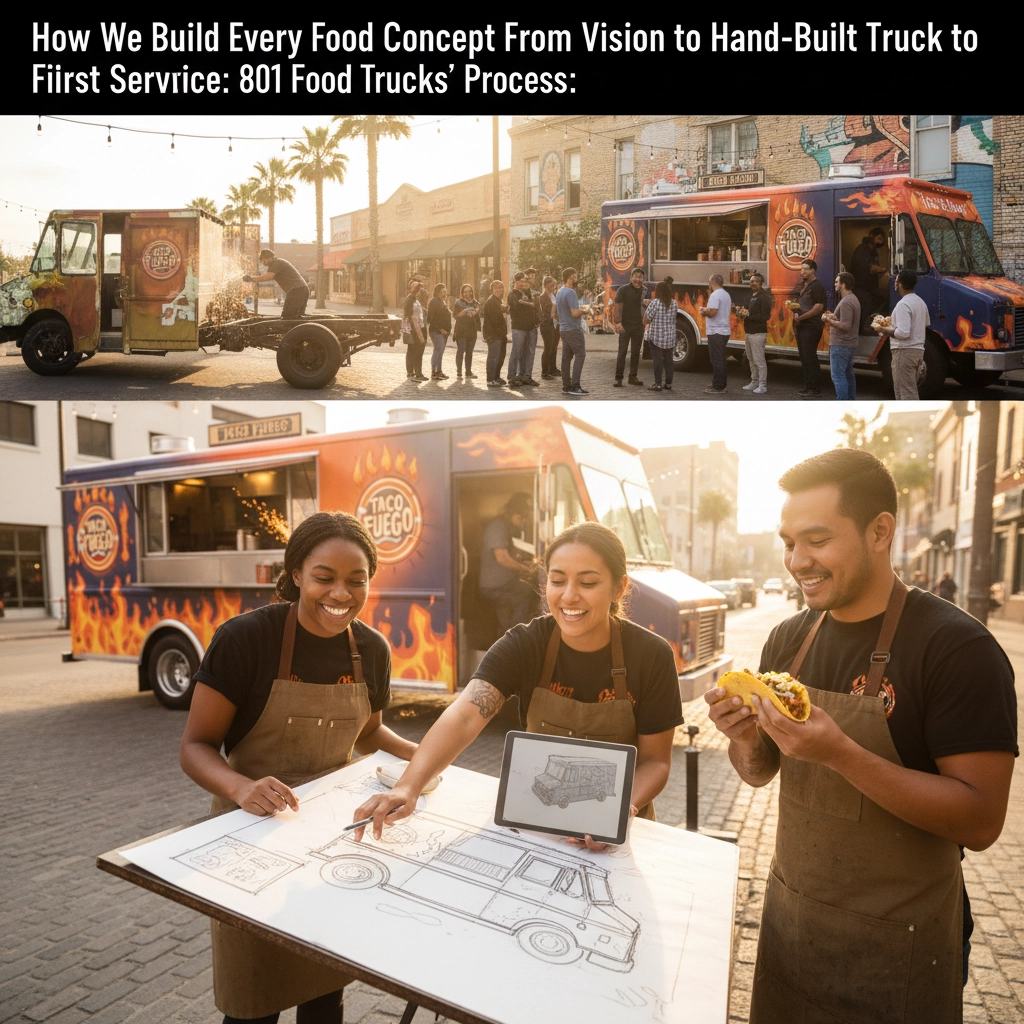
Ever wondered what goes into creating a food truck from scratch? At 801 Food Trucks & Catering, we don’t just buy existing trucks or partner with random vendors: we build every single concept from the ground up. From that first spark of inspiration to serving our first customer, here’s the complete journey of how we bring each food truck to life in Utah.
It All Starts With a Vision
Every great food truck begins with an idea, and ours usually come from paying attention to what Utah really wants. Sometimes it’s spotting a gap in the local food scene: like realizing there wasn’t enough authentic Korean BBQ at events, or noticing people were craving fresh, healthy options at corporate lunches.
Other times, inspiration strikes from traveling and tasting something incredible. Our team might discover an amazing flavor combination at a small-town festival or stumble across a cooking technique that would work perfectly for mobile service. We’re always asking ourselves: “What would make Utah food truck catering even better?”

Market research plays a huge role too. We dive deep into food trends, but more importantly, we listen to our community. What are event planners requesting that they can’t find? What do corporate clients mention when they’re looking for something different? These conversations often spark our next concept.
Menu Development: Testing, Tasting, and Perfecting
Once we have our concept, the real work begins. Menu development isn’t just about coming up with cool-sounding dishes: it’s about creating food that travels well, can be prepared efficiently in a mobile kitchen, and most importantly, tastes incredible every single time.
We start by cooking in our test kitchen, experimenting with different recipes and techniques. Each dish goes through multiple rounds of testing. Can we prep this efficiently? Will it hold its quality during transport? How does it taste after sitting in a warming tray? These aren’t glamorous questions, but they’re essential for food truck success.
Our team tries everything: multiple times. We invite friends, family, and even some of our regular customers to taste-test new items. Their feedback is gold. Sometimes a sauce needs more kick, or a protein needs a different cooking method to stay tender during busy event service.
Sourcing: Finding the Right Ingredients
Great food starts with great ingredients, and sourcing for food trucks in Utah comes with unique challenges. We need suppliers who can deliver consistent quality, work with our ordering schedule, and understand that our ingredient needs might vary based on our event calendar.
We prioritize local suppliers whenever possible. Not only does this support Utah businesses, but it also means fresher ingredients and shorter supply chains. When we’re developing a new concept, we spend weeks connecting with different suppliers, testing their products, and building relationships that will support our food truck’s success.
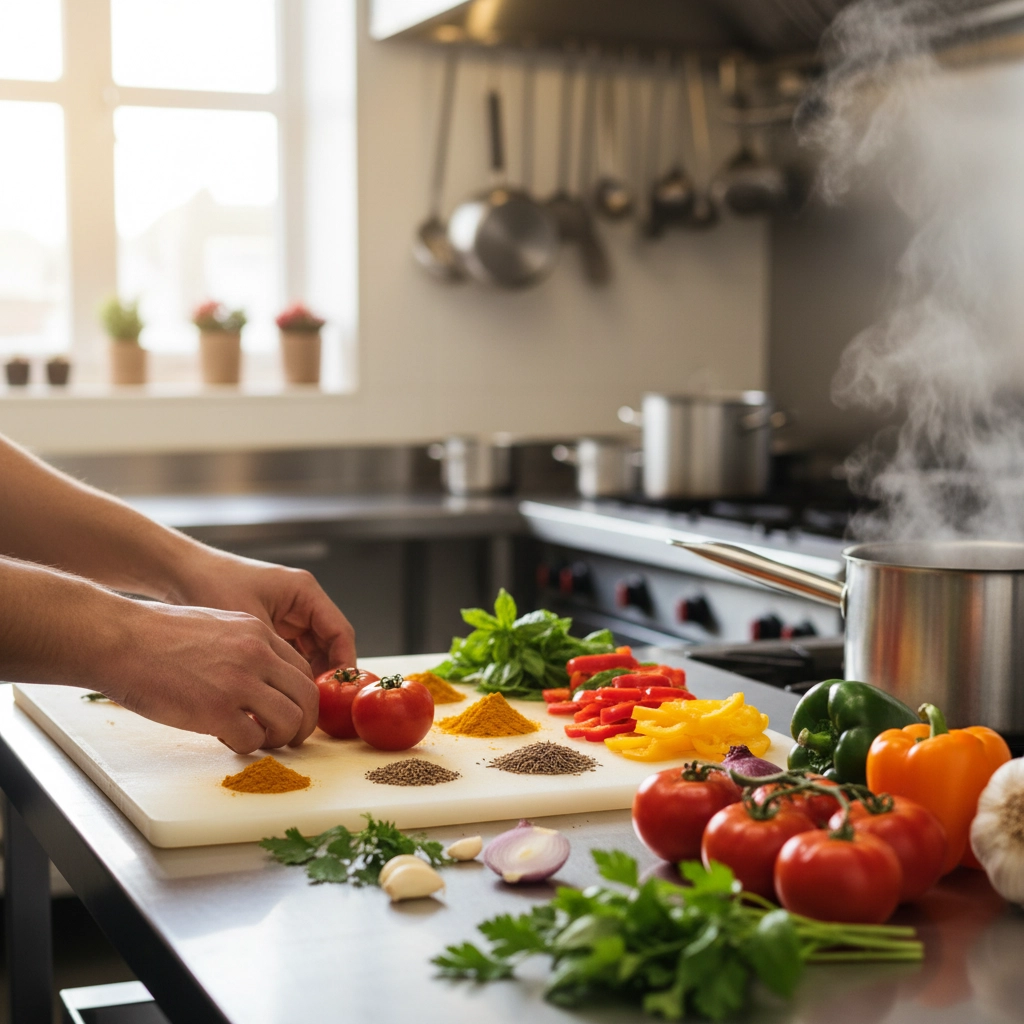
Every ingredient gets evaluated on multiple levels: taste, consistency, shelf life, and how it performs under the specific conditions of mobile food service. Some ingredients that work beautifully in a traditional restaurant don’t translate well to food truck operations, so we have to get creative.
Designing and Hand-Building Our Trucks
Here’s where 801 Food Trucks really stands apart: we personally design and hand-build every single truck. While other companies might buy pre-made trucks or work with distant manufacturers, we roll up our sleeves and create each truck ourselves.
The process starts with sketching out the kitchen layout. Every inch of space matters in a food truck, so we carefully plan where each piece of equipment goes. The fryer needs to be positioned for efficient oil changes. The prep area needs to flow logically to the cooking stations. The serving window needs to be at the right height and position for smooth customer interactions.
We consider the specific needs of each concept. A truck focused on grilled items needs different ventilation than one specializing in fried foods. A dessert truck requires more refrigeration space. A breakfast concept might need specialized equipment for egg dishes.
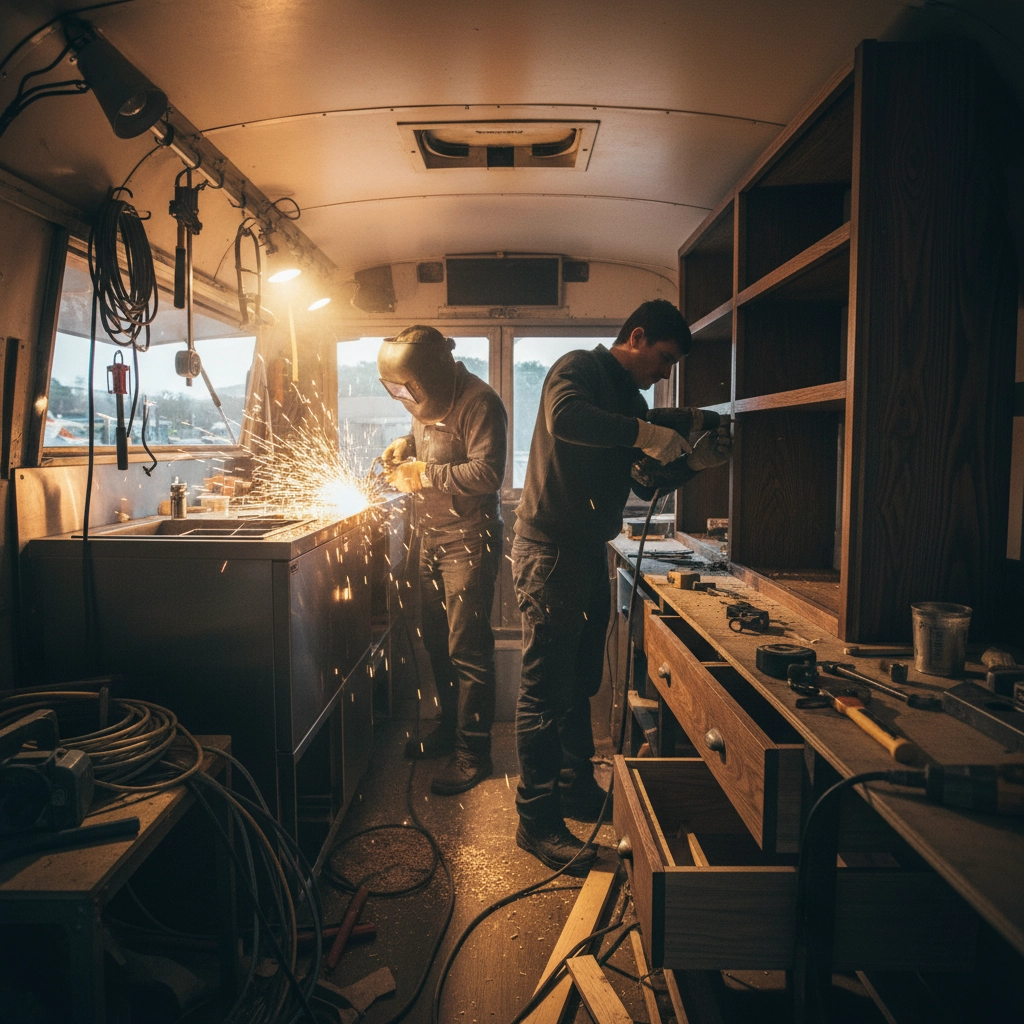
Once the design is finalized, we start the build. We install flooring, mount equipment, run electrical systems, and set up plumbing. Every truck gets custom storage solutions built specifically for its menu items. We even build custom prep tables and serving areas that maximize efficiency for that particular concept.
The branding comes next. We design and apply all the exterior graphics ourselves, making sure they not only look great but also clearly communicate what the truck offers. The goal is that someone should know what type of food we serve just by looking at our truck from across a parking lot.
Testing and Fine-Tuning
Before any truck hits the road for its first event, we put it through extensive testing. We run practice services, cooking full menus and timing everything. We test all the equipment under real-world conditions, making sure everything works perfectly when we’re busy.
This testing phase often reveals small adjustments needed. Maybe a prep shelf needs to be moved two inches to the left for better workflow. Or perhaps we need to add an extra paper towel dispenser near the grill. These details might seem minor, but they make a huge difference during busy food truck catering events in Salt Lake City.
Staff Training and Systems
Each new concept requires specialized training. Our team needs to learn the new menu inside and out, understand the specific equipment, and master the workflow we’ve designed. We spend days practicing until service becomes second nature.
We also develop all the systems that support the truck: inventory management, prep schedules, cleaning protocols, and customer service standards. Every concept gets its own detailed operations manual that ensures consistency no matter which team members are working.
The Launch: Bringing It to Life
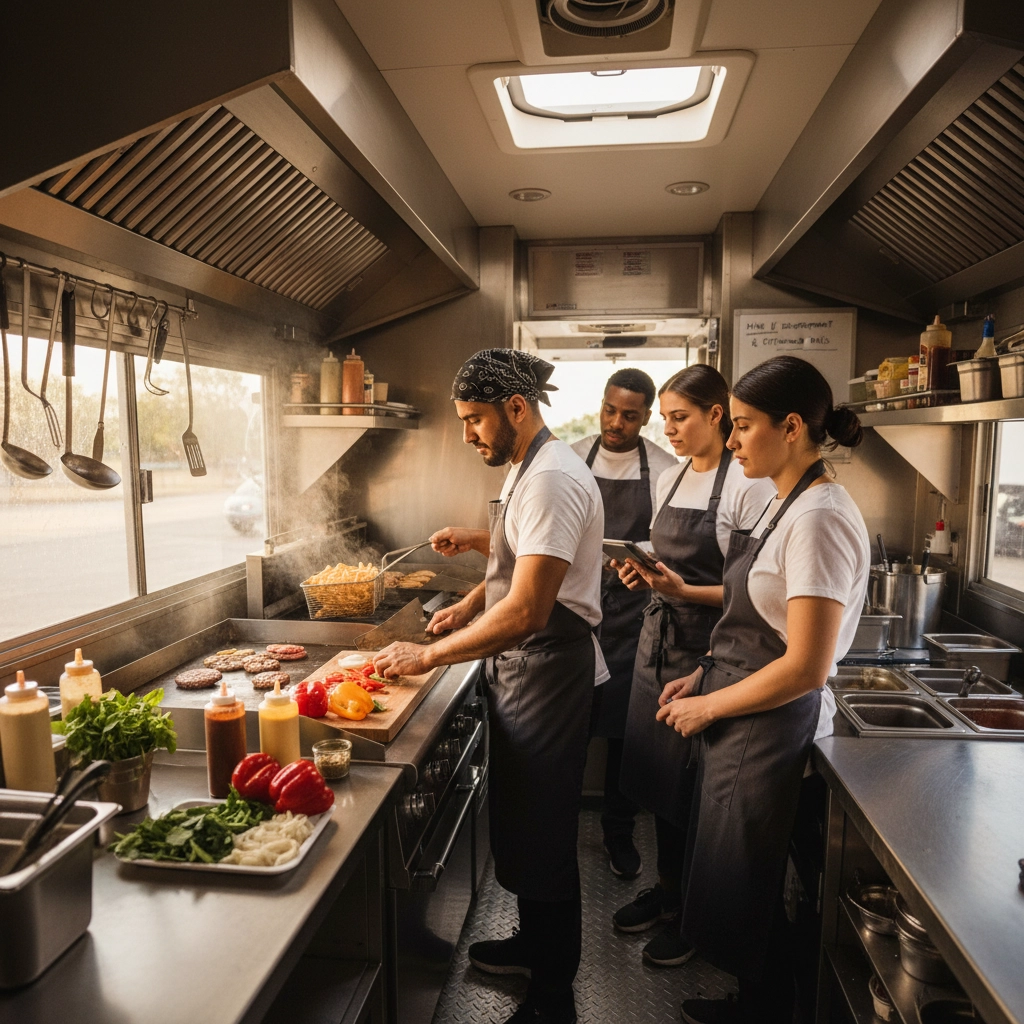
After months of development, building, and testing, launch day finally arrives. But we don’t just throw our new concept into the deep end. We typically start with smaller, controlled events where we can work out any final kinks without the pressure of a massive crowd.
The first few events are learning experiences. We pay close attention to customer reactions, service times, and how well our systems work under real conditions. Almost always, we make small adjustments based on these early experiences: maybe tweaking a recipe slightly or adjusting our prep timing.
Why This Process Matters for Utah Events
This hands-on approach means every food truck rental in Utah from our fleet offers something unique and carefully crafted. When you book 801 Food Trucks for your event, you’re getting concepts that were specifically designed for Utah tastes and tested extensively before ever serving a single customer.
Because we build everything ourselves, we also know every truck inside and out. If something needs adjustment or repair, we handle it immediately. We’re not waiting for a third-party manufacturer or trying to figure out someone else’s design decisions.
Looking Forward
This process never really ends. Even after a concept launches, we’re constantly looking for ways to improve. Customer feedback helps us refine dishes. Experience at different events teaches us how to serve more efficiently. And new inspiration keeps us developing fresh concepts to add to our fleet.
That’s what makes food truck catering in Utah with 801 Food Trucks special: every truck represents months of careful planning, hands-on building, and passionate testing. When you see one of our trucks at your event, you’re seeing the result of a process that prioritizes quality, creativity, and Utah’s unique food scene above everything else.
Ready to experience the difference that this level of care makes? Check out our full lineup of food truck concepts and see which one would be perfect for your next Utah event.
 Food Truck Blog
Leave a comment